

Выбор между Мостовой кран LD и ан Мостовой кран HD В конечном итоге все сводится к одному вопросу: как часто и насколько интенсивно вы будете его использовать? Краны LD (стандартные/экономичные) подходят для легких и средних нагрузок и имеют меньшую первоначальную стоимость, в то время как краны HD (премиум/европейского типа) предназначены для частых, тяжелых или точных подъемных работ и обычно стоят в 2-3 раза дороже.
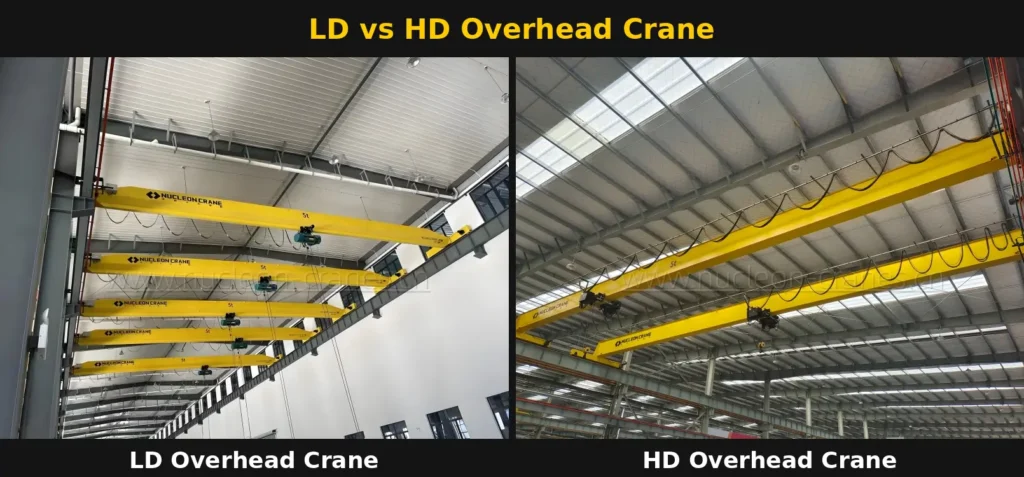
Если вы сейчас сравниваете цены, путаница вполне понятна — обозначения "LD" и "HD" не регулируются единым международным стандартом, и разные производители используют эти обозначения несколько по-разному. Покупка неправильного крана означает либо переплату за грузоподъемность, которую вы никогда не будете использовать, либо преждевременный износ бюджетного крана.
В этом руководстве процесс принятия решения разбит на составляющие, которые действительно важны для утверждения закупки или проектирования: различия в конструкции и материалах, класс нагрузки, реалистичные ценовые диапазоны, скрытые затраты и то, что необходимо уточнить у поставщика, прежде чем размещать заказ.
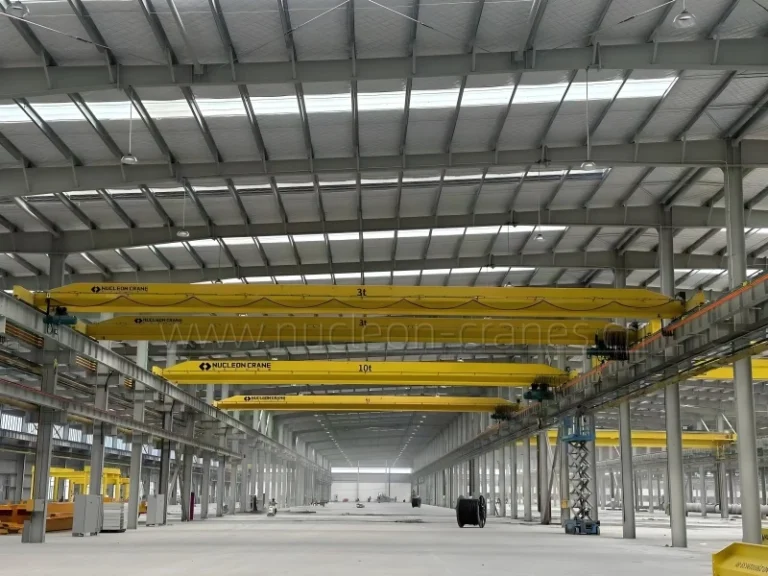
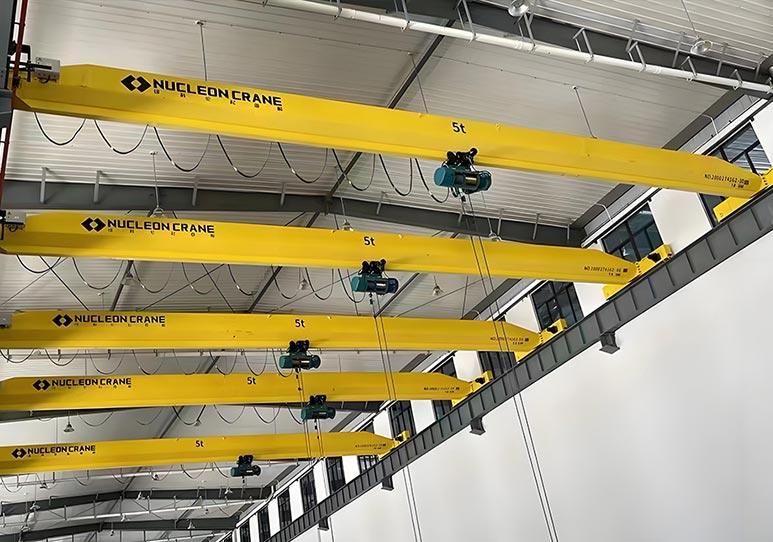
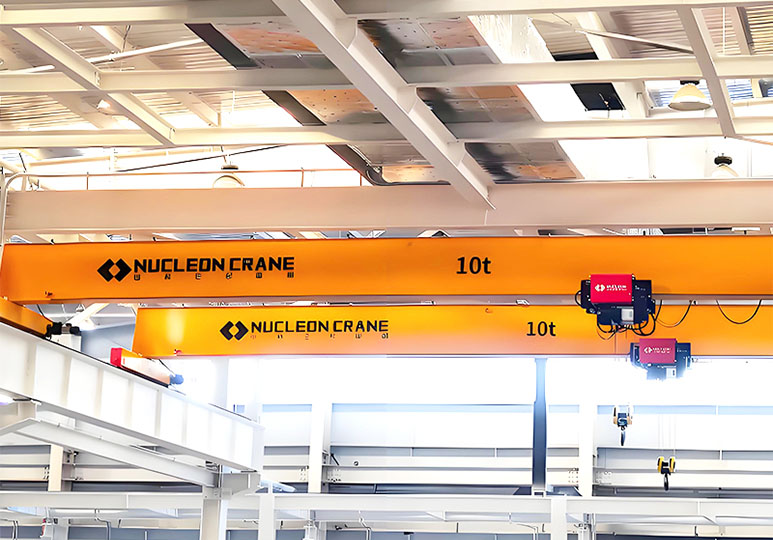
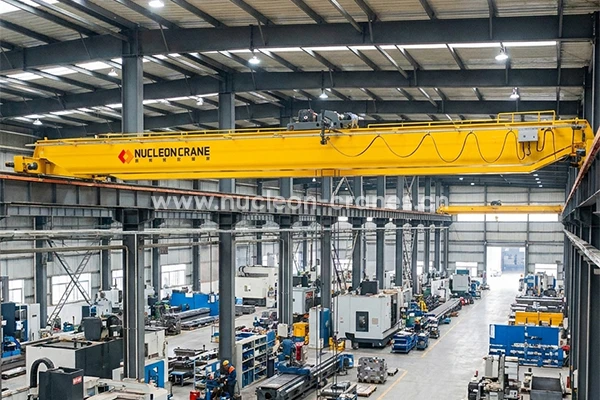
Мостовой кран LD
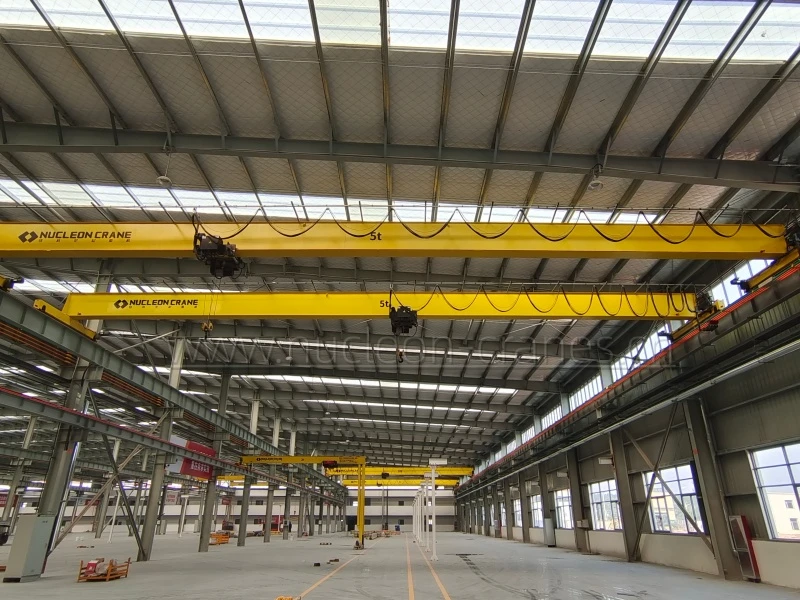
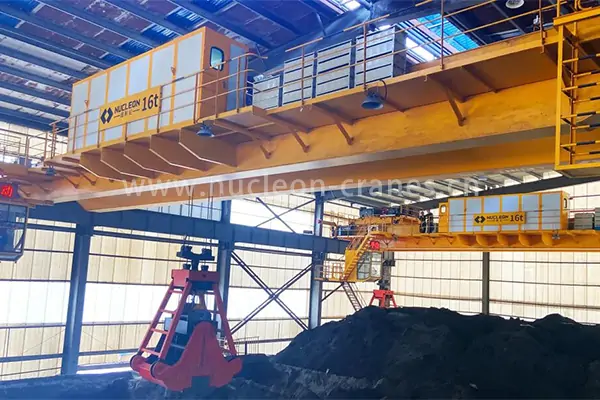
Мостовой кран HD
Оглавление
Краткий обзор: мостовые краны LD и HD.
| Мостовой кран LD | Мостовой кран HD | |
| Типичный класс службы | A3–A5 (светлый–средний) | A4–A6 (средней и высокой плотности) |
| Главная балка | Двутавровая/гильзовая балка, прокатная сталь | Коробчатая балка или европейская конструкция с малой высотой потолка |
| Электрическая таль | тип CD1/MD1 (односкоростной/двухскоростной) | Плавная регулировка скорости в европейском стиле с регулируемой частотой вращения. |
| Необходимое пространство над головой | Более высокий (больший вертикальный зазор) | Меньший размер (компактный, позволяет сэкономить на затратах на гражданское строительство) |
| Ориентировочная цена (5 тонн, пролет ~10 м)* | $2,000–$3,500 | $5,000–$8,000 |
| Лучше всего подходит для | Стандартные мастерские, периодические подъёмы автомобилей, ограниченный бюджет | Высокочастотные, тяжелые или высокоточные подъемные работы; экспортные/CE-проекты |
*Указанный диапазон цен является лишь ориентировочным и основан на типичных ценах поставщиков из Китая; он может варьироваться в зависимости от пролета, высоты подъема, марки компонентов и класса нагрузки. запросить официальную смету для вашей конкретной конфигурации.
Мостовые краны LD и HD: основные различия вкратце.
Что означают "LD" и "HD" в терминологии мостовых кранов?
Мостовой кран типа LD — это стандартный однобалочный мостовой кран, а мостовой кран типа HD — это более мощный, премиальный вариант. — но ни один из этих терминов не соответствует единой международной классификации. В китайском краностроении "LD" традиционно обозначает однобалочный кран с верхним расположением стрелы, использующий обычные лебедки типа CD1/MD1, а "HD" обозначает версию, модернизированную с помощью лебедки европейского типа, стали более высокого качества или и того, и другого, в зависимости от производителя. Сама классификация режимов работы соответствует общим стандартам, таким как FEM 1.001, ISO 4301-1, или, для покупателей, ориентированных на рынок США, ASME B30.2 а также спецификации CMAA — они определяют класс нагрузки (A1–A8, или класс M для подъемного механизма) на основе частоты подъема и среднего коэффициента нагрузки, а не самой маркировки LD/HD.
На практике это различие имеет значение: именно класс нагрузки, указанный в техническом описании, а не префикс модели, определяет, подходит ли кран для вашей рабочей нагрузки.
Конструкция главной балки и стальные материалы
В мостовых кранах большой грузоподъемности используется более жесткая и компактная конструкция главной балки, чем в кранах малой грузоподъемности, поэтому они стоят дороже, но требуют меньшей высоты потолка. В кранах типа LD в качестве основной балки обычно используются прокатные двутавровые или Н-образные балки. Эта конструкция является отработанной, недорогой в производстве и обладает высокой жесткостью на изгиб, но ее сопротивление боковым и крутящим нагрузкам сравнительно ограничено, поэтому она, как правило, используется для более легких и нечастых подъемных работ.
В кранах типа HD чаще используется смещенная от центра коробчатая балка, сваренная из стальной пластины в замкнутый полый профиль. Такая конструкция более равномерно распределяет напряжение и лучше противостоит усталости при многократных тяжелых нагрузках, но требует более жесткого контроля качества сварки при производстве, что увеличивает себестоимость. Что касается материалов, краны типа LD обычно изготавливаются из низкоуглеродистой стали класса Q235B / S235JR, в то время как в кранах типа HD чаще используется низколегированная конструкционная сталь марки Q355B / S355JR — материал с пределом текучести примерно на 30% выше, что позволяет перевозить ту же нагрузку с меньшей толщиной стали на 20–30% и, следовательно, с меньшим собственным весом конструкции здания. типичные эталонные оценки для данной категории, Это не является гарантией для какой-либо конкретной модели; всегда уточняйте фактические характеристики стали в техническом паспорте поставщика.
Тип и класс нагрузки подъемника
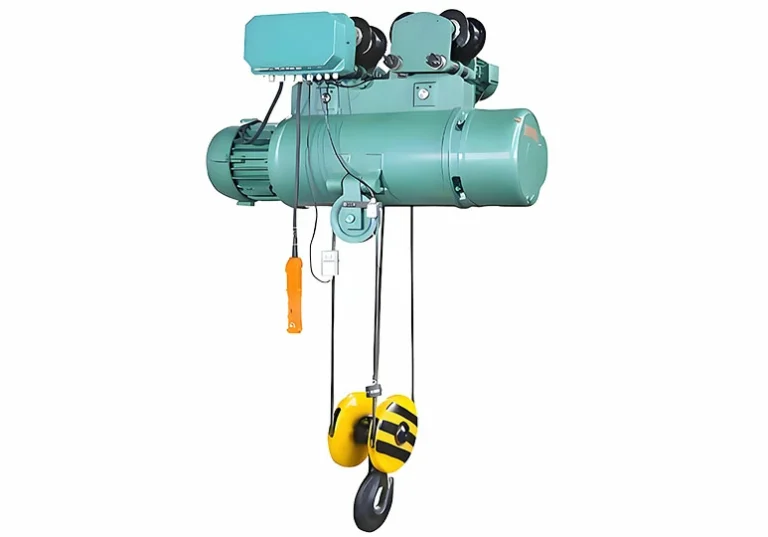
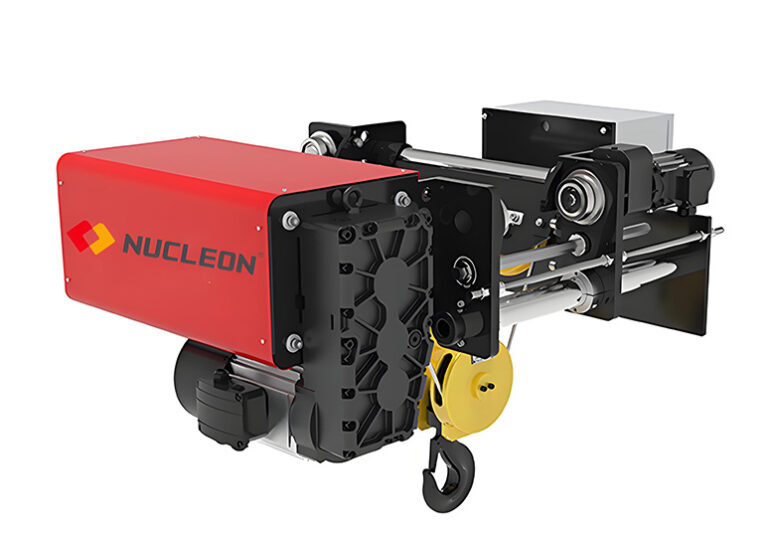
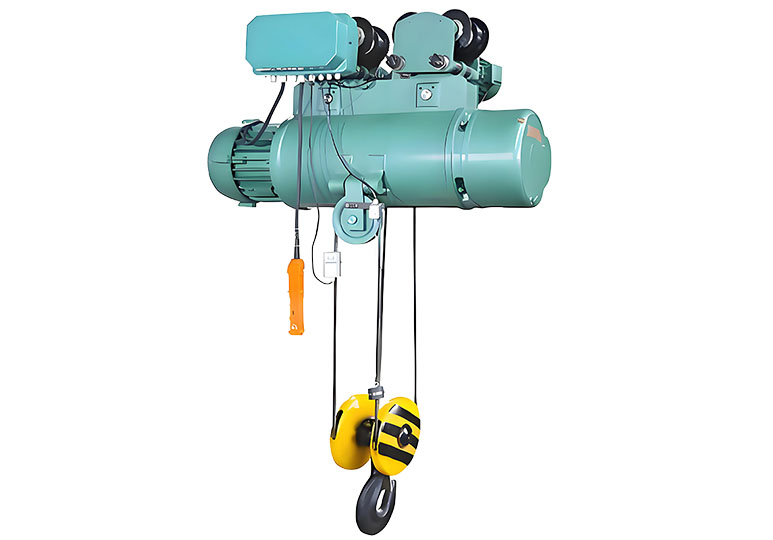
В повседневной эксплуатации именно электрическая лебедка, а не сама конструкция моста, обычно отличает кран малой грузоподъемности от крана большой грузоподъемности. Краны LD обычно оснащаются лебедками CD1 (односкоростные) или MD1 (двухскоростные), рассчитанными примерно на класс нагрузки FEM/ISO M3, с фиксированной или ступенчатой скоростью подъема. Краны HD, как правило, используют лебедки европейского типа с бесступенчатой регулировкой скорости с помощью частотно-регулируемого привода, рассчитанные на класс нагрузки ближе к M5–M6, что обеспечивает более плавное ускорение, меньшую раскачку груза и более точное позиционирование — именно поэтому краны HD являются предпочтительным выбором для точной сборки или автоматизированных производственных линий.
С точки зрения класса нагрузки, краны LD относятся к следующим категориям: обычно указывается в диапазоне A3–A5, в то время как краны HD обычно имеют формат A4–A6, Иногда более высокие значения для непрерывного использования в тяжелой промышленности. Практическое различие: подъемный механизм класса A3 рассчитан на эпизодический подъем с перерывами между циклами, в то время как механизм класса A5–A6 рассчитан на почти непрерывные запуски, остановки и циклы полной нагрузки без ускоренного износа тормозов, редуктора и троса.
Цена и общая стоимость владения
Диапазон справочных цен в зависимости от вместимости
Как правило, мостовой кран большой грузоподъемности стоит в 2–3 раза дороже, чем аналогичный по грузоподъемности кран малой грузоподъемности при том же пролете и высоте подъема. Разница в цене обусловлена типом подъемника (европейские модели стоят значительно дороже, чем CD1/MD1), маркой стали и — для премиальных комплектаций — импортными компонентами, такими как двигатели, тормоза и частотно-регулируемые приводы.
| Вместимость | Справочная цена LD* | Ориентировочная цена HD* |
| 1–3 тонны | $1,500 – $2,800 | $4,000 – $6,500 |
| 5 тонн | $2,000 – $3,500 | $5,000 – $8,000 |
| 10 тонн | $3,000 – $5,500 | $6,500 – $11,000 |
| 15–20 тонн | $4,500 – $8,000 | $9,000 – $16,000 |
*Указаны рыночные ориентировочные диапазоны для стандартных конфигураций пролета/подъема, поставляемых китайскими производителями; фактическая цена зависит от пролета, высоты подъема, марки электрокомпонентов и текущих цен на сталь. Рассматривайте это как ориентировочный диапазон, а не как коммерческое предложение.
Для грузов весом менее 10 тонн при частоте подъема менее примерно 20 циклов в час, мостовой кран большой высоты (LD) обычно справляется с задачей, обходясь менее чем в половину стоимости аналогичного крана большой высоты (HD) — дополнительные затраты на HD окупаются только тогда, когда этого требуют ограничения по рабочему циклу, высоте потолка или соответствие стандартам CE.
Скрытые затраты: высота потолка, энергопотребление и техническое обслуживание.
Цена, указанная на ценнике, — это лишь часть сравнения затрат: запас прочности и долгосрочное техническое обслуживание часто перевешивают разницу в цене покупки. Краны большой высоты требуют большего вертикального зазора между крюком и главной балкой, а также большего расстояния от крюка до стены, что уменьшает полезную площадь и высоту подъема в пределах фиксированной конструкции здания. Компактный подъемник и меньшая высота потолка у кранов большой высоты позволяют высвободить 1–2 метра полезной высоты карниза в том же здании, что для нового объекта может снизить стоимость строительства больше, чем сама разница в цене крана.
С точки зрения эксплуатации, у кранов LD с лебедками CD1/MD1 обычно меньше изнашиваемых деталей (шестерни, подшипники, тормозные колодки) и выше пусковой ток двигателя, что означает более частые остановки для технического обслуживания и большее потребление электроэнергии при длительной эксплуатации. У кранов HD необслуживаемые подшипники, закаленные шестерни и частотно-регулируемые приводы с плавным пуском обычно означают более длительные интервалы между техническим обслуживанием и меньшее энергопотребление на один подъем — компромисс заключается в более высоких затратах на запчасти при необходимости замены, поскольку компоненты HD реже имеются в наличии за пределами крупных промышленных центров. При сравнении общей стоимости учитывайте не только цену за единицу, но и время поставки запасных частей.
Перед принятием решения получите сравнительный расчет стоимости конфигураций LD и HD непосредственно от производителя. свяжитесь с нашей инженерной командой Чтобы проверить диапазон, грузоподъемность и рабочий цикл по обоим вариантам.
Какой кран подойдет для вашей деятельности?
Когда мостовой кран LD — правильный выбор
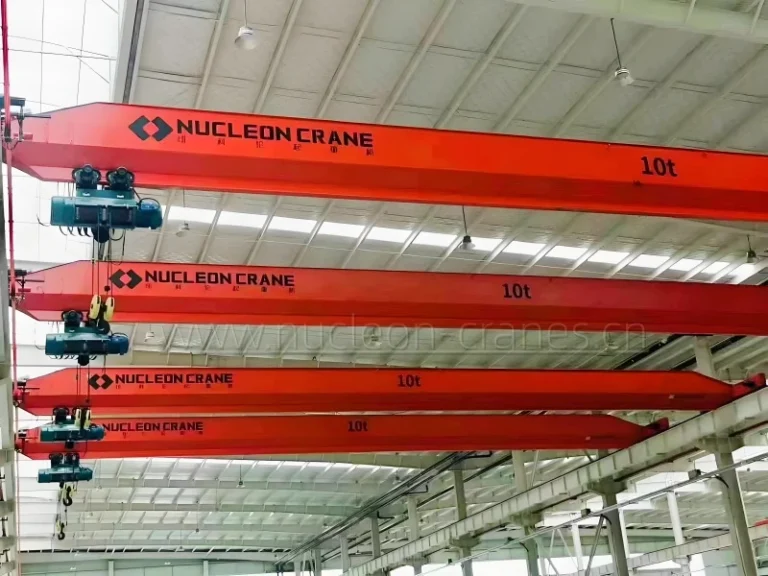
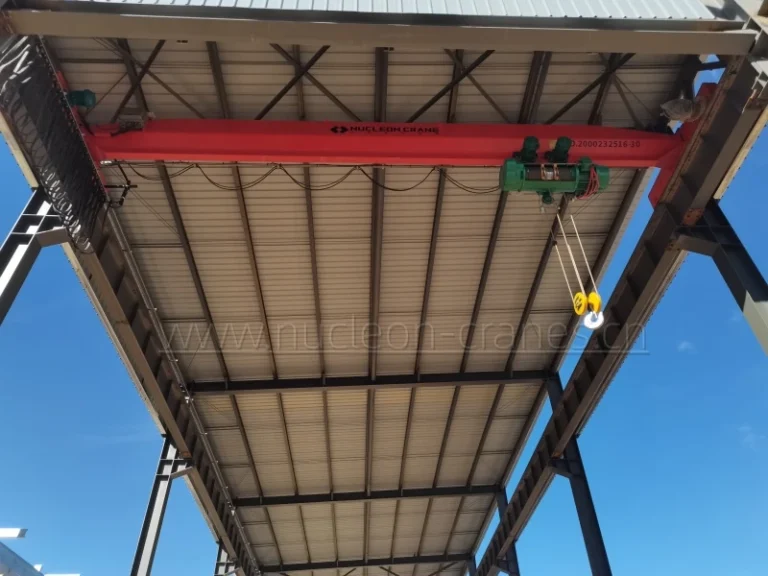
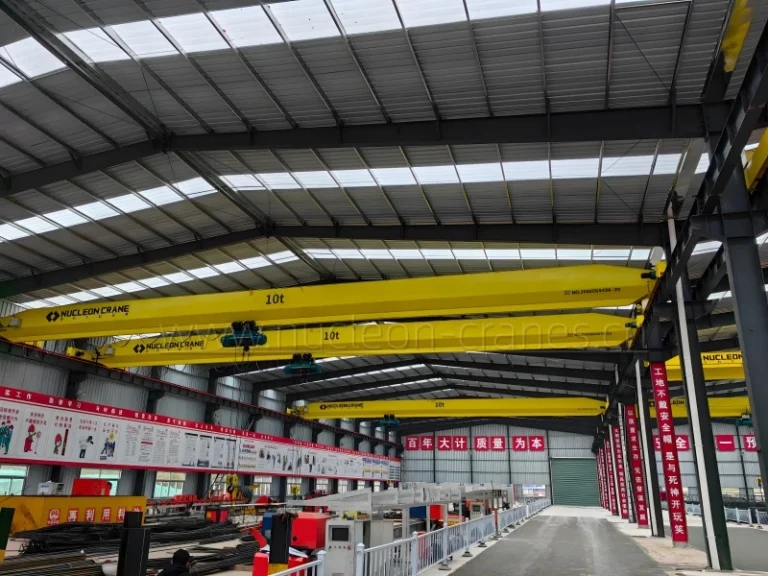
Мостовой кран LD — это правильный выбор для стандартных мастерских с периодическими подъемами умеренных грузов и ограниченным бюджетом. Он подходит для общего производства, складирования и обработки материалов в цехах, где подъемы происходят периодически в течение смены, а не непрерывно — например, от нескольких до нескольких десятков подъемов в час, а не на производственной линии, работающей каждые несколько минут. В помещении с большой высотой потолков и без необычных ограничений по площади, более высокая высота подъема крана LD не является практическим недостатком, а его более низкая первоначальная стоимость и широко доступные запасные части делают его более экономичным вариантом. Компромисс заключается в более коротком сроке службы компонентов при длительной интенсивной эксплуатации и более грубом, менее точном подъемном движении, но оба эти фактора не имеют значения, если ваш фактический рабочий цикл находится в пределах A3–A5.
Когда мостовой кран большой грузоподъемности — правильный выбор
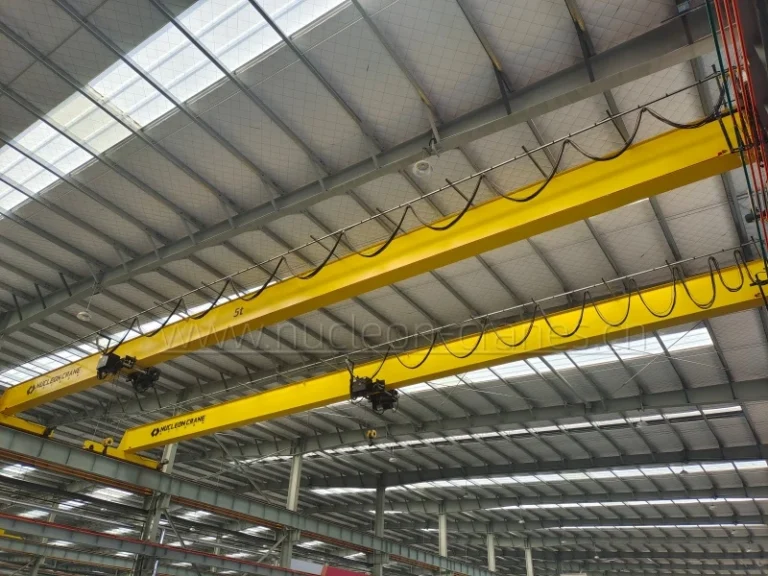
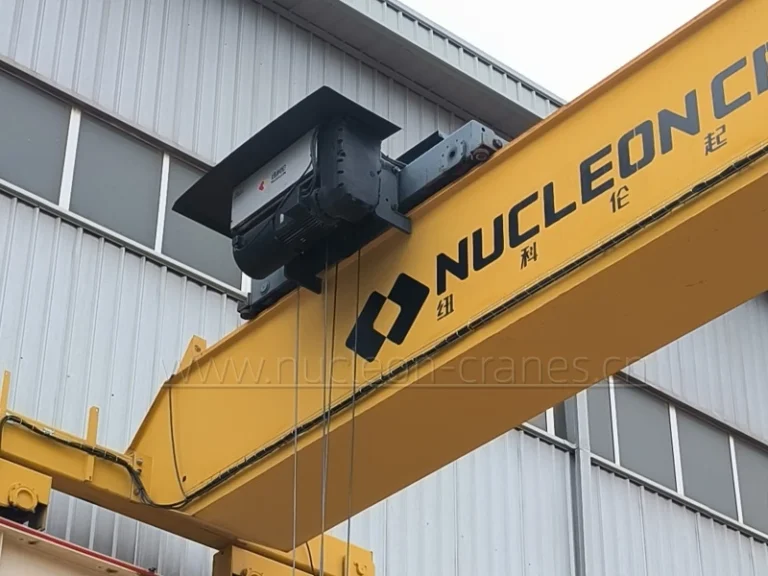
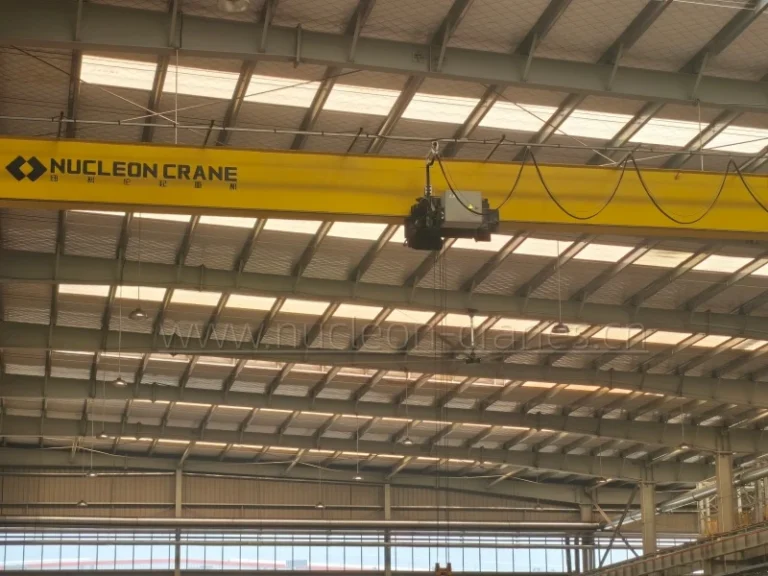
Дополнительную стоимость мостового крана большой грузоподъемности оправдывают себя, если частота подъема грузов, грузоподъемность или ограничения, связанные со зданием, превышают возможности крана малой грузоподъемности. Три ситуации делают HD практичным выбором, а не просто перепродажей более дорогой модели: длительные высокочастотные подъемные работы (производственные линии, пакетная обработка), где класс нагрузки лебедки LD был бы превышен; здания с ограниченной высотой потолков, где компактная лебедка HD позволяет восстановить полезную высоту подъема без подъема крыши; и экспортные или многонациональные проекты, требующие маркировки CE в соответствии с европейскими стандартами FEM, что является стандартным путем сертификации для оборудования типа HD. Стоимость реальна — в 2–3 раза выше цены LD — но она окупается за счет сокращения времени простоя, увеличения срока службы компонентов и, в зданиях с ограниченными ресурсами, экономии на строительных затратах.
Ловушка именования: почему "LD" и "HD" не стандартизированы у разных поставщиков.
Самая распространенная ошибка при закупках в этой категории — это не выбор неправильного крана, а предположение, что обозначения "LD" или "HD" у всех поставщиков означают одно и то же. Некоторые производители используют обозначение "HD" для обозначения балочной конструкции коробчатого сечения с европейским подъемником; другие используют его для описания стандартного однобалочного крана, оснащенного только подъемником европейского типа, при этом основная балка выполнена из двутавровой балки. В каждом случае это влияет на производительность и цену, но один только код модели не позволит определить, какую именно модель вы приобретаете.
Решение простое, но его легко пропустить при сравнении цен: запрашивайте в техническом описании каждого предложения фактический класс нагрузки (A-рейтинг), тип главной балки и модель подъемника, и сравнивайте эти поля напрямую, а не маркировку LD/HD. Предложения, в котором указана только маркировка и цена, недостаточно для сравнения кранов "HD" двух поставщиков.
Контрольный список для сертификации и проверки поставщиков
Стандарты и сертификаты для подтверждения
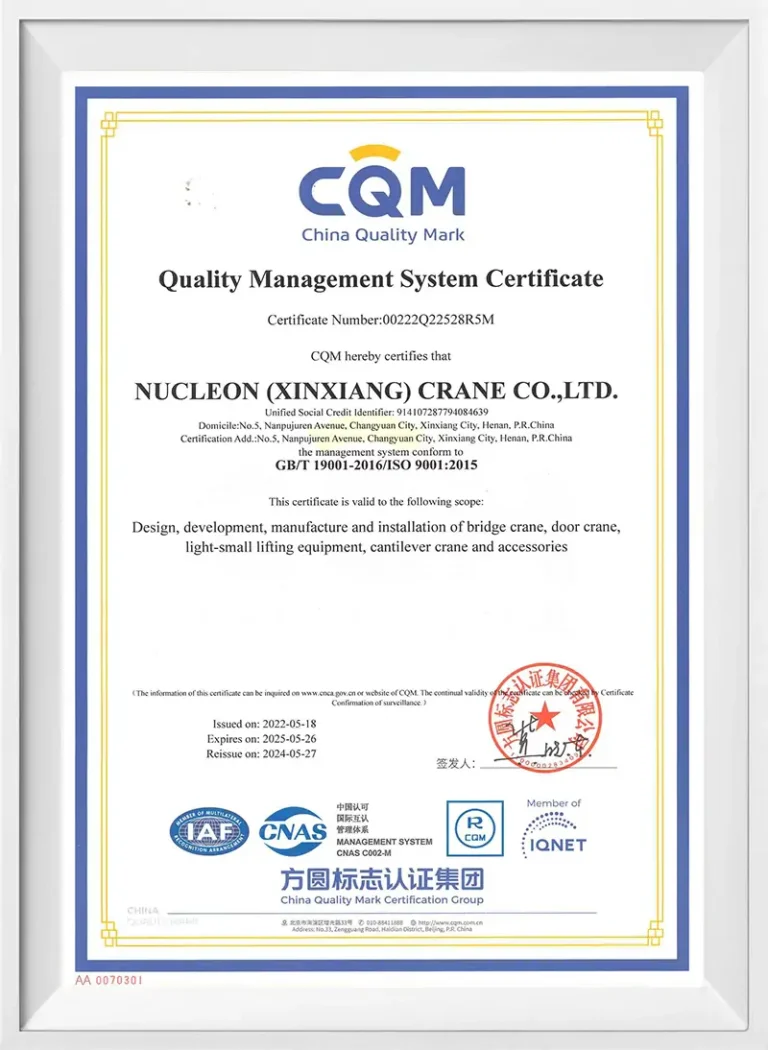
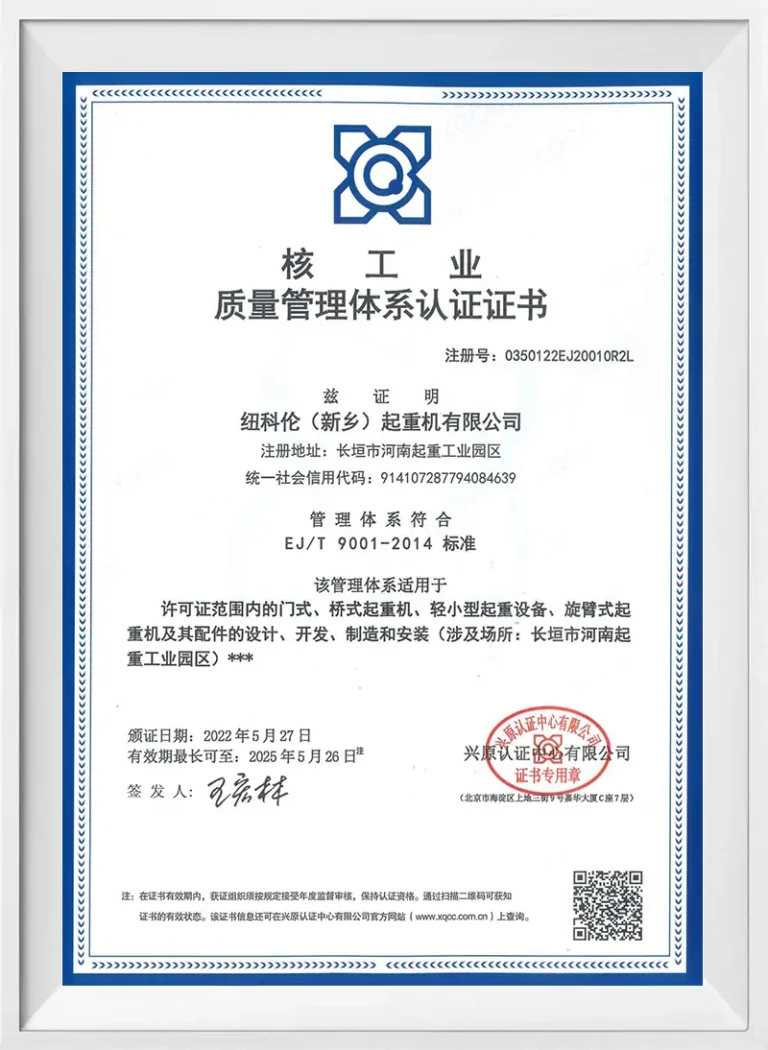
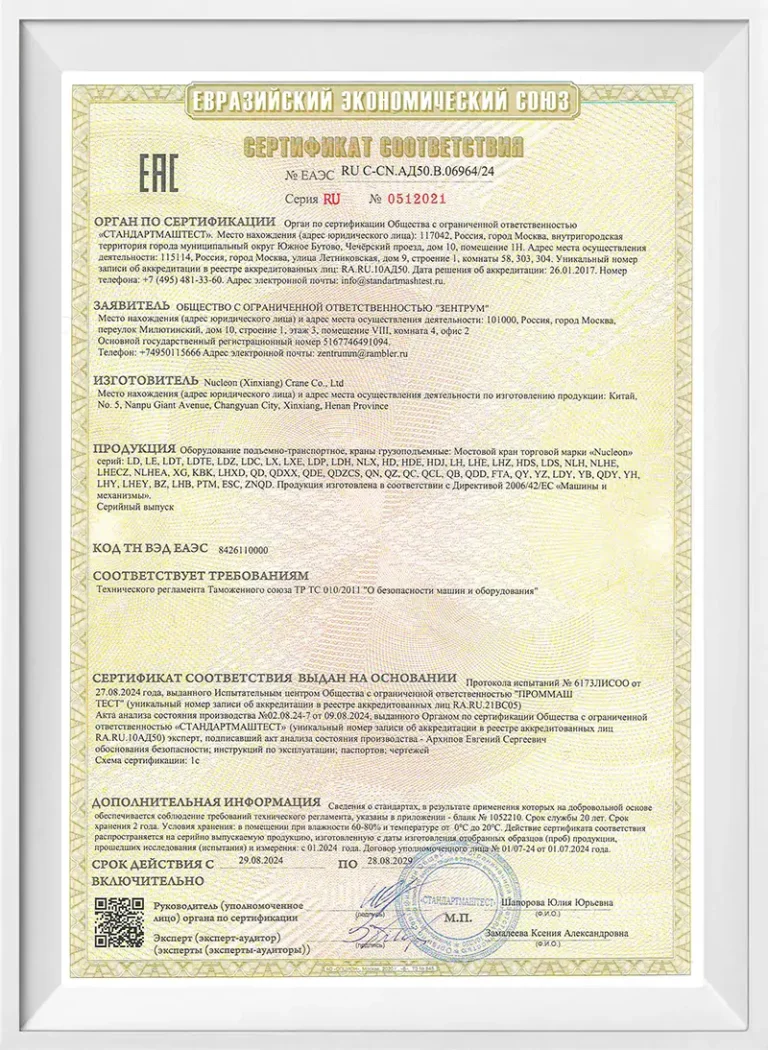
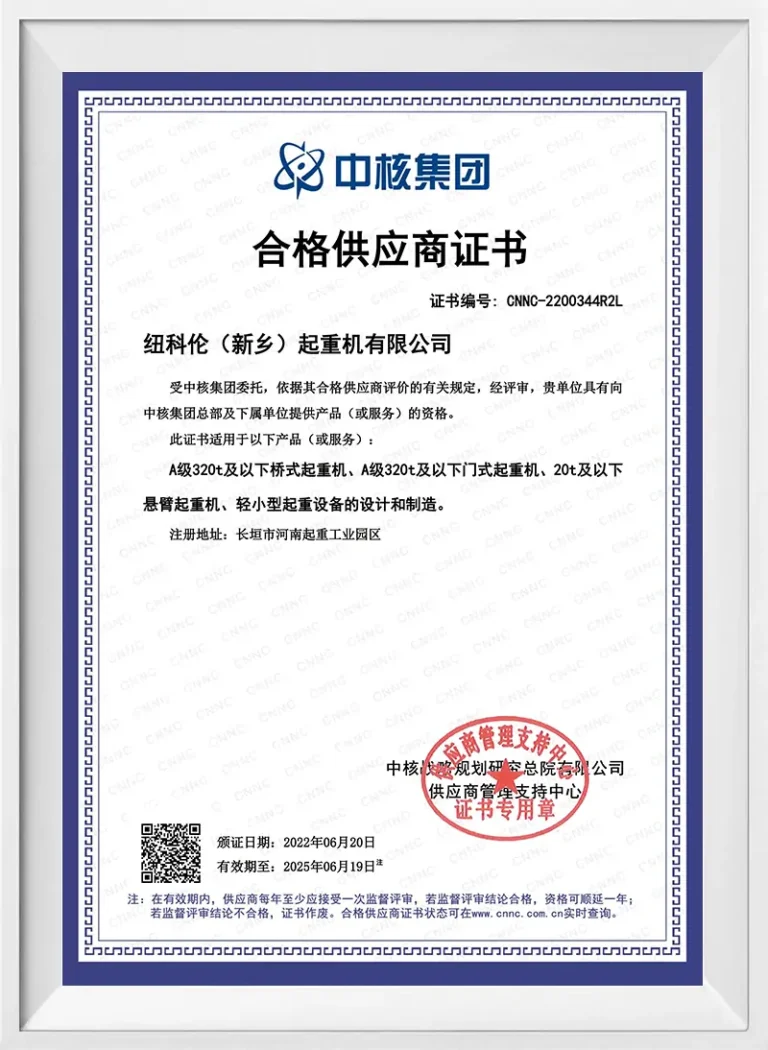
При совершении трансграничных закупок подтвердите соответствие крана стандартам ISO 9001, наличие маркировки CE (если это требуется на вашем рынке) и классу нагрузки, использованному вашим поставщиком для оценки его характеристик. ISO 9001 охватывает систему управления качеством производителя в целом, а не сам кран. Маркировка CE, оцениваемая в соответствии с Регламентом ЕС по машиностроению и ссылающаяся на FEM 1.001 для классификации по конструкции/нагрузке, обычно требуется для оборудования, ввозимого в Европейскую экономическую зону, и является стандартным путем сертификации для кранов типа HD. Китайские отечественные производители обычно проектируют... GB/T 3811 В качестве базового национального стандарта проектирования кранов следует указать, что это не тот же документ, что FEM 1.001 или ASME B30.2 — уточните у поставщика, по какому стандарту фактически были произведены расчеты для конкретного изделия, и запросите сам сертификат, а не принимайте устное заявление.
Оценка поставщика перед оформлением заказа
Помимо технических характеристик самого крана, перед размещением заказа стоит уточнить три момента, касающиеся практики поставщика: предпродажные испытания под нагрузкой, запчасти Наличие товара на складе и сроки послепродажного обслуживания. Надежный производитель проводит испытания на нагрузку 100% каждого агрегата перед отгрузкой и может предоставить протокол испытаний в качестве стандартного, а не дополнительного документа. Уточните, какие именно компоненты (двигатель подъемника, трос, тормозные колодки) имеются на региональных или экспортных складах, поскольку именно эти детали, скорее всего, потребуют замены в первую очередь — детали для подъемников LD обычно проще найти у производителей; детали для подъемников HD/европейского типа чаще требуют заказа напрямую у производителя, что, соответственно, увеличивает сроки поставки. Учитывайте это при принятии решения сейчас, чтобы избежать незапланированных простоев в будущем.
Заключение
Как мостовые краны LD, так и мостовые краны HD надежно поднимают грузы — разница заключается в режиме работы, бюджете и ограничениях здания, для которых они предназначены. Выбирайте LD для стандартных, периодических подъемов при ограниченном бюджете; выбирайте HD, когда частота, высота подъема или соответствие стандартам CE выходят за рамки возможностей стандартного крана. Перед заказом любого из них подтвердите фактический класс нагрузки и тип конструкции в техническом описании, а не полагайтесь только на маркировку LD/HD, и уточните сертификаты и сроки поставки запасных частей непосредственно у поставщика.
Готовы сравнить варианты LD и HD, подходящие для вашего конкретного пролета, грузоподъемности и режима работы? Наша инженерная команда может проанализировать ваши требования и предоставить вам коммерческое предложение с подходящей конфигурацией в течение 24 часов.

Специалист по оборудованию
Успешный менеджер по работе с кранами с обширным опытом в управлении крупномасштабными проектами и операционным контролем. Подтвержденный опыт увеличения доходов и обеспечения соблюдения требований безопасности.
Часто задаваемые вопросы
В1: В чем основное различие между мостовым краном большой и большой грузоподъемности?
Краны LD используют стандартную двутавровую балочную конструкцию и обычные лебедки CD1/MD1; краны HD используют более компактную, часто коробчатую балочную конструкцию с лебедкой европейского типа с регулируемой скоростью. На практике это означает, что краны HD обеспечивают более высокую частоту подъема и более тяжелые нагрузки при меньшей высоте потолка, при этом их цена примерно в 2–3 раза выше, чем у аналогичного крана LD.
Вопрос 2: Стоит ли переплачивать за мостовой кран большой грузоподъемности?
Это зависит от интенсивности использования, а не только от грузоподъемности. Высокая грузоподъемность оправдывает свою цену, если вы часто поднимаете грузы (десятки циклов в час), работаете в здании с ограниченной высотой или вам необходима сертификация CE для экспорта. Для эпизодического подъема умеренных грузов в стандартной мастерской кран низкой грузоподъемности обычно обеспечивает тот же практический результат при меньших общих затратах.
В3: Что класс службы Что мне нужно для моего мостового крана?
Класс грузоподъемности зависит от количества циклов подъема в час и от того, какую долю номинальной грузоподъемности вы обычно поднимаете, в соответствии со стандартами, такими как FEM 1.001 или ISO 4301-1. Большинство кранов большой грузоподъемности имеют класс A3–A5, а большинство кранов большой грузоподъемности — A4–A6; поставщик должен рассчитать требуемый класс на основе фактических данных о производственных циклах, а не предполагать его только на основе тоннажа.
Вопрос 4: Нужен ли мне сертификат CE для мостового крана?
Маркировка CE, как правило, требуется, если кран будет эксплуатироваться в пределах Европейской экономической зоны, и является стандартным путем сертификации для кранов типа HD, разработанных в соответствии со стандартом FEM 1.001. За пределами ЕЭЗ необходимо уточнить местные правила эксплуатации подъемного оборудования, поскольку требования различаются в зависимости от страны и отрасли.
В5: Как долго служит мостовой кран при надлежащем техническом обслуживании?
Хорошо обслуживаемый мостовой кран обычно служит 10–20 лет, хотя изнашиваемые детали — тросы, тормозные колодки, механизм подъема — требуют периодической замены задолго до этого срока. Эксплуатация крана сверх его номинальной грузоподъемности — самый быстрый способ сократить этот срок службы, иногда уменьшая срок службы компонентов до доли от расчетного.
Связанные статьи
- Мостовые краны во Вьетнаме: рост рынка, соответствие нормативным требованиям и руководство для поставщиков (2026)
- Инспекция мостовых кранов: официальные стандарты, ресурсы и полезные ссылки.
- Типы складских кранов: полное руководство по каждому типу.
- Части мостового крана: названия, функции и руководство по выбору для промышленных покупателей
- Инспекция мостовых кранов: стандарты OSHA, CE и GB — что действительно нужно знать покупателям и экспортерам.

 English
  العربية
  Español
  Français
  Português
  Русский