

Эта страница представляет собой указатель ресурсов, а не еще одно руководство. Если вы уже знаете, что такое инспекция мостовых кранов, и вам нужно найти соответствующий нормативный документ, проверить квалификацию инспектора, найти стандарт или получить доступ к конкретному руководству из этой серии, все это собрано здесь в одном месте.
Оглавление
Официальные правила и стандарты
Правила OSHA по проверке мостовых кранов
Это юридически обязательные к исполнению федеральные правила в Соединенных Штатах. Доступ к ним следует получать непосредственно с сайта OSHA.gov, а не из вторичных сводок, которые могут отставать от текущих разъяснительных писем.
| Регулирование | Объем | Прямая ссылка |
| OSHA 29 CFR 1910.179 | Мостовые и козловые краны — общая промышленность (стационарные установки на заводах, складах, производственных предприятиях) | osha.gov/laws-regs/regulations/standardnumber/1910/1910.179 |
| OSHA 29 CFR 1910.180 | Гусеничные, локомотивные и автокраны — общая промышленность | osha.gov/laws-regs/regulations/standardnumber/1910/1910.180 |
| OSHA 29 CFR 1926 Подраздел CC | Краны и подъемные краны в строительство — разные стандарты, разные требования к квалификации инспекторов. | osha.gov/laws-regs/regulations/standardnumber/1926/1926.1400 |
Какой стандарт OSHA применим к вам? Если ваш кран стационарно установлен над цехом, складом или производственным помещением, вы находитесь в пределах... 1910.179. Если кран находится на строительной площадке (временный, мобильный или башенный кран), то вы подпадаете под действие следующей категории: 1926 Подраздел CC — для которого действуют различные требования к сертификации операторов, и это распространенная причина ошибок при соблюдении правил, когда предприятия считают, что все правила работы с кранами одинаковы.
Стандарты консенсуса ASME
Стандарты ASME B30 сами по себе не являются законом, но OSHA включает их в свои списки и ссылается на них в соответствии с Общим положением об обязанностях. На практике правильным подходом к соблюдению требований является проведение инспекционной программы в соответствии с соответствующим стандартом ASME B30 и рассмотрение OSHA 1910.179 как минимального уровня, по которому вас могут напрямую привлечь к ответственности. Стандарты ASME можно приобрести на сайте asme.org/codes-standards.
Какой стандарт ASME B30 применим к моему крану?
Это один из наиболее часто неправильно применяемых вопросов в области соответствия требованиям к мостовым кранам. Использование неправильного стандарта означает применение неправильных критериев вывода крана из эксплуатации, что является нарушением требований OSHA, даже если ваши протоколы проверок в остальном полны.
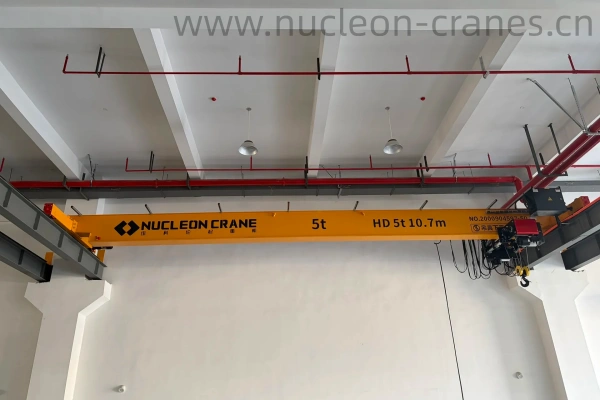
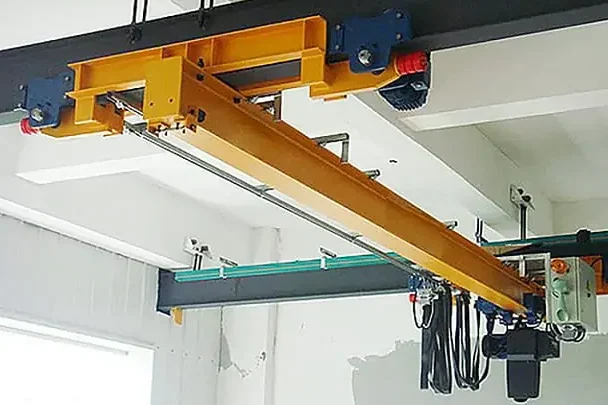
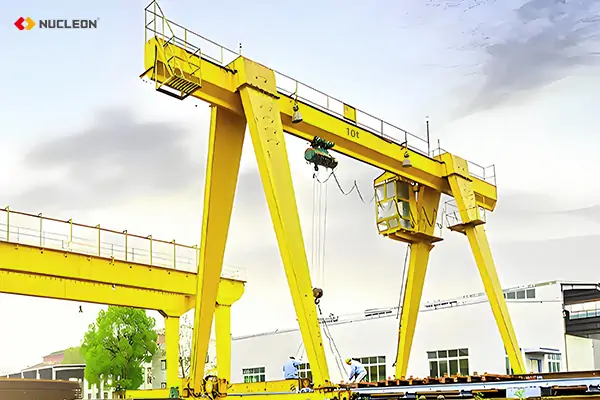
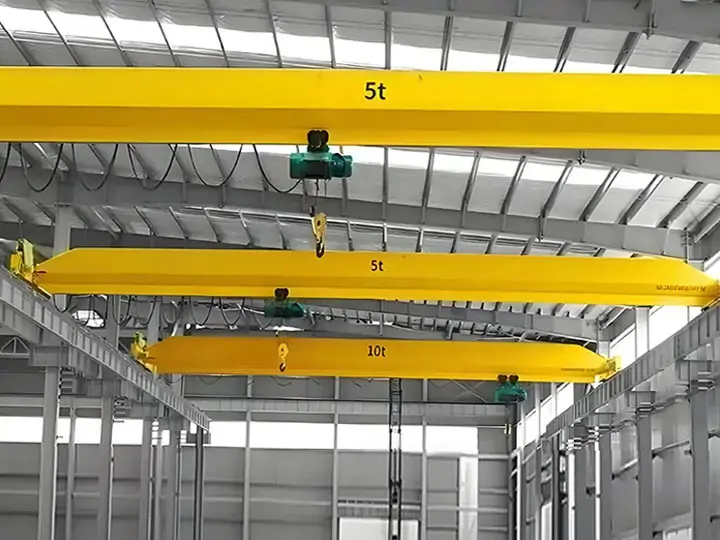
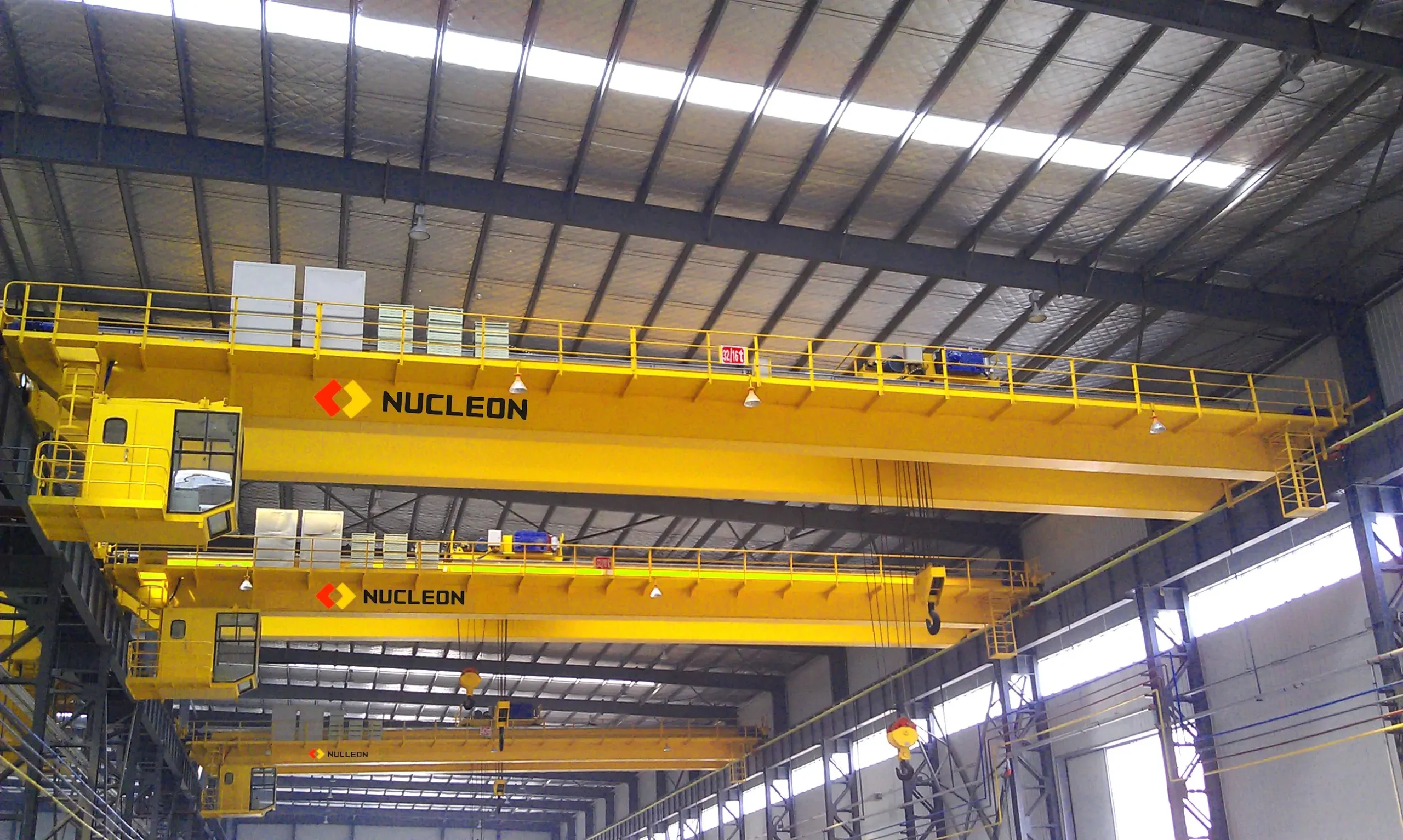
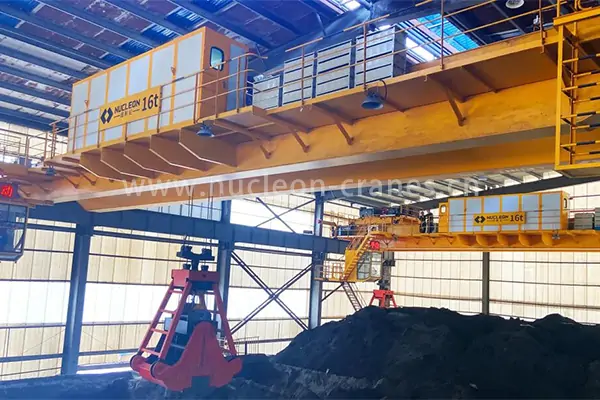
Козловой кран коробчатой балки
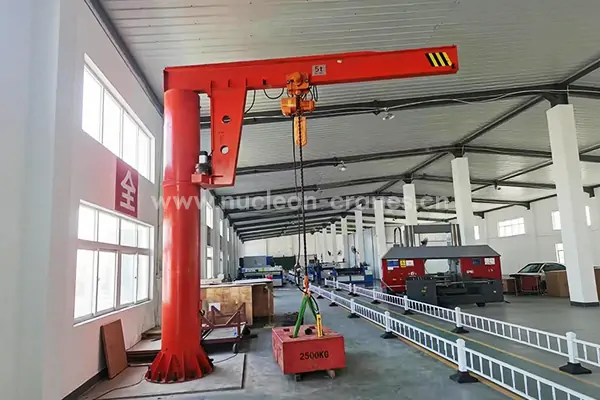
| Тип крана/оборудования | Применимый стандарт ASME B30 |
| Козловые краны верхнего типа (одно- или двухбалочные), консольные краны, настенные краны | ASME B30.2 |
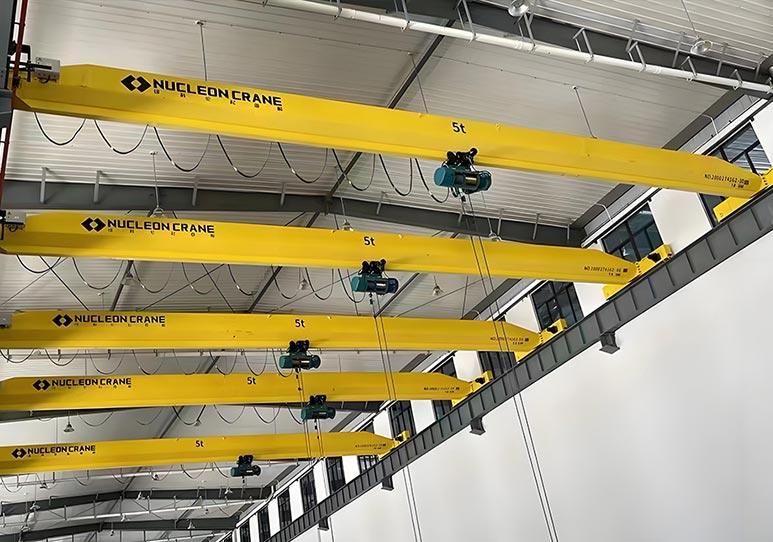
| Подвесные мостовые краны, монорельсы, монорельсовые системы | ASME B30.17 |
| Индивидуальные подъемники (электрический трос, цепь, (с пневматическим приводом) — подвесной или используемый на кранах. | ASME B30.16 |
| Крючки всех типов (с проушиной, с цевьем, с ушком, самозакрывающиеся) | ASME B30.10 |
| Стреловые краны (напольные и настенные) | ASME B30.22 |
| Подъемные устройства, расположенные под крюком (траверсы, подъемные балки, захваты) | ASME B30.20 |
| Мобильные краны (автомобильные, вездеходные, для работы на пересеченной местности, гусеничные) | ASME B30.5 |
Практическое замечание: Предприятие, эксплуатирующее мостовой кран с верхним расположением стрелы, подъемник которого используется отдельно на нижнем участке пути, должно учитывать оба варианта. B30.2 (для моста) и B30.16 (для подъемника). Объем проверки и критерии демонтажа различаются для каждого случая.
Проверка квалификации инспектора
Проверка сертификации NCCCO — самый важный шаг, который пропускают большинство покупателей.
Сертификация NCCCO (Национальная комиссия по сертификации операторов кранов) — это общепризнанный национальный стандарт квалификации инспекторов кранов в Северной Америке, аккредитованный ANSI и признанный OSHA как соответствующий требованиям к "квалифицированному лицу" для инспекции кранов.
Как проверить информацию перед бронированием:
- Запросите у организации, проводящей инспекцию, идентификационный номер инспектора (CCO ID).
- Перейдите на сайт verifycco.org (официальный сервис проверки учетных данных NCCCO).
- Введите идентификатор CCO и подтвердите: тип сертификации, текущий активный статус и дату истечения срока действия.
- Убедитесь, что категория сертификации соответствует типу вашего крана — инспектор, сертифицированный для мобильных кранов, не автоматически получает право на инспекцию мостовых кранов в соответствии с разделом B30.2.
Скрытая цена пропуска этого шага: если проверка OSHA или расследование инцидента выявит, что ваши проверки проводились неквалифицированным лицом, все записи о проверках от этого поставщика становятся юридически недействительными. Это влечет за собой расходы на повторную проверку, потенциальные штрафы в размере $16,550 за каждое серьезное нарушение (при умышленных нарушениях до $165,514) и потенциальную гражданскую ответственность. Потратьте 60 секунд на проверку на verifycco.org перед бронированием — это самый дешевый способ обеспечить соответствие требованиям.
Другие признанные квалификационные органы
| Тело | Удостоверение личности | Примечания |
| НККО | Инспектор CCO — Комплексное обслуживание мостовых кранов | Основной американский стандарт; проверьте на сайте verifycco.org. |
| НКЦЕР | квалификационные документы инспектора кранов | Аккредитовано ANSI/NCCA; используется в некоторых отраслях промышленности. |
| ASME | Сертификация инспектора напрямую не требуется. | В пункте B30.2 определены критерии квалификации; сертификат, выданный ASME, отсутствует. |
Одно уточнение, которое предотвращает распространенную ошибку: Не существует такого понятия, как "сертификат ASME B30.2" или "сертифицированный инспектор ASME". ASME публикует стандарт; она не сертифицирует персонал. Если поставщик услуг заявляет о наличии сертификата ASME, запросите информацию о конкретном органе, выдающем сертификаты, и проверьте это самостоятельно.
Справочная информация о периодичности проверок
Используйте это для подтверждения соответствия вашей программы минимальным требованиям. Если ваш класс обслуживания CMAA неизвестен, его должен подтвердить квалифицированный специалист, который проверил ежедневное количество подъемов вашего крана, профиль нагрузки и условия эксплуатации.
| Класс обслуживания CMAA | Типичное применение | Ежегодный периодический | Часто (периодически) |
| А — Режим ожидания | Ремонтные краны, нечастое использование | Ежегодно | Раз в полгода |
| Б — Свет | Небольшие сборочные цеха, ремонтные мастерские, 2–5 подъемников в час. | Ежегодно | Раз в полгода |
| C — Стандарт | Общий склад, механические цеха, 5–10 подъемников/час | Ежегодно | Ежемесячно |
| Д — Тяжёлый | Изготовление металлоконструкций, цеха тяжелой механической обработки, 10–20 подъемов в час. | Раз в полгода | Ежемесячно |
| Е — Тяжелый | Непрерывное производство, литейные цеха, более 20 подъемов в час. | Ежеквартальный | Ежемесячно |
| F — Непрерывный | Сталелитейные заводы, работающие круглосуточно. | Ежеквартально или чаще | Ежемесячно или чаще |
Правило о запрете простоя крана — обязательное независимо от класса обслуживания: Для крана, простаивающего от 1 до 6 месяцев, перед возвращением в эксплуатацию требуется частый осмотр. Для крана, простаивающего более 6 месяцев, требуется полный периодический осмотр. Это требование, предусмотренное статьей 1910.179 OSHA, применяется независимо от того, прошла ли запланированная дата осмотра крана.
→ Полное инженерное обоснование этих интервалов см. в [ссылка]. Что такое осмотр мостового крана? Виды, периодичность и основные пункты контрольного списка.
Краткий обзор требований к ведению документации.
Наиболее часто указываемым пробелом в протоколах проверок кранов в соответствии с требованиями OSHA является отсутствие документации. "Если это не задокументировано, значит, этого не было" — таков рабочий стандарт OSHA. Вот минимальная матрица документации:
| Тип проверки | Необходимая документация | Срок хранения |
| Перед началом смены (ежедневно) | Журнал подтверждения выполнения (имя оператора, дата, идентификатор устройства, пройдено/не пройдено) | Федеральный минимальный срок не установлен — рекомендуемый срок: 1 год. |
| Ежемесячно часто | Письменный сертификат: дата, подпись инспектора, идентификатор оборудования. | Сохраните кран на время его эксплуатации. |
| Ежегодный периодический | Полный письменный отчет: объем работ, выводы по компонентам, фотографии выявленных недостатков, данные инспектора. | Сохраните на весь срок службы крана. |
| Тестирование нагрузки | Испытательная нагрузка, дата испытания, метод испытания, результаты, заключение инженера. | Сохранить навсегда |
| проволочный трос ежемесячно | Дата, подпись инспектора, идентификатор веревки. | Сохраните, пока веревка находится в эксплуатации. |
Что должен содержать ваш годовой отчет, чтобы соответствовать требованиям OSHA: Дата проверки, имя и подпись квалифицированного инспектора, конкретный идентификатор оборудования (не просто "Кран #1" — используйте постоянный идентификационный номер крана), область проверки в соответствии с применимым стандартом, статус «пройдено/не пройдено» по компонентам, фотографии всех выявленных недостатков, классификация результатов по степени серьезности (остановка для обеспечения безопасности / нарушение норм / рекомендация), а также рекомендуемый график корректирующих действий.
Отсутствующий в отчете хотя бы один из этих элементов не считается соответствующим требованиям протоколом проверки — независимо от того, кто проводил проверку и насколько тщательной была физическая оценка.
Руководства в этой серии
Этот информационный центр является частью серии из четырех статей, охватывающих все аспекты осмотра мостовых кранов. Используйте приведенную ниже схему маршрутизации, чтобы перейти непосредственно к нужной вам информации.
| Мне нужно… | Перейти к… |
| Разберитесь, что такое инспекция мостовых кранов, как работают четыре типа инспекций и каково инженерное обоснование каждого периода проведения. | Что такое осмотр мостового крана? Виды, периодичность и основные пункты контрольного списка. |
| Сравните варианты проведения инспекций, разберитесь в ценовом диапазоне и определите потребности программы моего учреждения. | Инспекция мостовых кранов: периодичность, контрольный список и стоимость (2026) |
| Закажите услугу осмотра, получите предварительную оценку стоимости и узнайте, что нужно подготовить до приезда инспектора. | Услуги по инспекции мостовых кранов: цены, что входит в услугу и как заказать. |
| Найдите официальные стандарты, проверьте квалификацию инспекторов и получите доступ к таблицам для быстрого ознакомления. | Добавьте эту страницу в закладки. |
Заключение
Наиболее распространенная проблема с соблюдением требований в программах инспекции мостовых кранов заключается не в недостатке усилий, а в использовании неправильного стандарта для данного типа крана, неспособности независимо проверить квалификацию инспектора или составлении отчетов об инспекции, в которых отсутствует необходимый элемент документации. Ни одна из этих проблем не требует дополнительного бюджета. Необходимо знать, где искать.
Сохраните эту страницу в закладках, чтобы использовать ее в качестве отправной точки перед планированием осмотра любого мостового крана. Если вы готовы запросить услугу или вам нужна помощь в определении необходимого уровня осмотра ваших кранов, наша команда ответит в течение одного рабочего дня.

Специалист по оборудованию
Успешный менеджер по работе с кранами с обширным опытом в управлении крупномасштабными проектами и операционным контролем. Подтвержденный опыт увеличения доходов и обеспечения соблюдения требований безопасности.
Часто задаваемые вопросы
Где можно найти официальный стандарт OSHA по проверке мостовых кранов?
Основным нормативным документом является OSHA 29 CFR 1910.179, доступный по адресу osha.gov/laws-regs/regulations/standardnumber/1910/1910.179. Он распространяется на мостовые и козловые краны в общей промышленности. Если ваш кран используется в строительстве, а не в качестве стационарной установки, применяется следующий стандарт: OSHA 29 CFR 1926 Подраздел CC — отдельное положение с другими требованиями к проверке и квалификации операторов.
Как мне убедиться в квалификации моего инспектора по кранам?
Если ваш инспектор имеет сертификат NCCCO — наиболее широко признанный в США стандарт квалификации инспекторов кранов — проверьте его текущий статус квалификации и категорию сертификации на сайте verifycco.org, используя его идентификационный номер CCO. Убедитесь, что категория охватывает мостовые краны, а не только мобильные или башенные краны. Сертификации ASME для инспекторов не существует; ASME публикует стандарты, а не квалификационные документы персонала.
Какой стандарт ASME B30 применим к мостовому крану?
Крановые краны с верхним расположением стрелы (одно- или двухбалочные) регулируются стандартом ASME B30.2. Крановые краны с нижним расположением стрелы и монорельсовые краны регулируются стандартом ASME B30.17. Подъемные механизмы каждого типа кранов регулируются отдельно стандартом ASME B30.16. Крюки регулируются стандартом ASME B30.10. Использование неправильного стандарта для вашего типа крана означает применение неверных пороговых значений для вывода из эксплуатации — это ошибка соответствия, на которую следует ссылаться.
Как долго необходимо хранить записи о проверке мостовых кранов?
Ежемесячные протоколы осмотра стальных канатов и крюков должны храниться в течение всего срока службы каната или его компонента. Ежегодные отчеты о периодических осмотрах следует хранить в течение всего срока службы крана, а не только одного или двух лет. Протоколы испытаний на нагрузку и записи о капитальном ремонте следует хранить постоянно. Позиция OSHA в отношении контроля за соблюдением норм остается неизменной: осмотр без датированного и подписанного протокола рассматривается как осмотр, которого не было.
Есть ли в компании инспектор мостовых кранов, имеющий сертификат ASME?
Нет. ASME публикует серию стандартов безопасности кранов B30, но не выдает сертификаты инспекторам. Если поставщик услуг заявляет о наличии сертификата ASME, запросите информацию о конкретном органе, выдающем сертификаты, и номер сертификата, а затем проверьте это самостоятельно. Основной аккредитованный орган по сертификации инспекторов кранов в США — NCCCO, проверить это можно на сайте verifycco.org.

 English
  العربية
  Español
  Français
  Português
  Русский