

Правильный выбор 5-тонного крана может напрямую повлиять на эффективность работы, безопасность на рабочем месте и общую стоимость владения — однако многие покупатели все равно в итоге приобретают кран неподходящей конфигурации. Независимо от того, оснащаете ли вы новый склад, модернизируете производственную линию на заводе или управляете ремонтной базой, 5-тонный кран представляет собой одно из самых универсальных и экономически эффективных решений, доступных сегодня в сфере промышленного подъема.
В этом руководстве рассматриваются наиболее часто задаваемые менеджерами по закупкам вопросы: В чем заключаются реальные различия между типами кранов данной грузоподъемности? Какие характеристики действительно важны для повседневной работы? И как избежать распространенных ошибок при закупках, которые завышают стоимость и сокращают срок службы? В конце вы получите четкую схему для сравнения продукции, оценки поставщиков и принятия уверенного решения о покупке.
Рынок 5-тонных кранов включает в себя мостовые краны, козловые краны, консольные краны и краны с электрическими лебедками — каждый из которых подходит для различных планировок производственных площадок, режимов работы и бюджетов. Мы подробно рассмотрим их технические различия на основе реальных данных, пройдемся по структурированному контрольному списку выбора и ответим на наиболее часто задаваемые вопросы промышленных покупателей.
Оглавление
- 1. Что такое 5-тонный кран и почему важна его грузоподъемность?
- 2. Типы 5-тонных кранов: какая конфигурация подходит для вашего предприятия?
- Технические характеристики 3.5-тонного крана: что на самом деле означают эти цифры.
- 4. Как выбрать 5-тонный кран: практический контрольный список для покупателя
- 5. Стандарты безопасности и соответствия требованиям для кранов грузоподъемностью 5 тонн.
- 6. Прайс-лист на 5-тонные краны и рекомендации по их покупке.
- 7. Примеры применения в реальной жизни
- Заключение: Сделайте уверенную покупку 5-тонного крана
- Часто задаваемые вопросы (FAQ)
- В1: В чем разница между 5-тонным краном и 5-тонным подъемником?
- В2: Сколько времени занимает установка мостового крана грузоподъемностью 5 тонн?
- В3: Нужна ли мне лицензия или сертификат для управления 5-тонным краном?
- Вопрос 4: Каков типичный срок службы 5-тонного крана?
- В5: Можно ли использовать 5-тонный козловой кран на открытом воздухе?
- Рекомендуемые ресурсы и дополнительная литература
1. Что такое 5-тонный кран и почему важна его грузоподъемность?
Пятитонный кран — это любая промышленная подъемная система, рассчитанная на безопасную рабочую нагрузку (SWL) в 5 метрических тонн (приблизительно 11 000 фунтов). Эта грузоподъемность относится к категории легких и средних нагрузок, что делает его популярным выбором для малых и средних производственных предприятий, мастерских, логистических центров и ремонтных мастерских.
Грузоподъемность крана определяется не только максимальной нагрузкой, которую вы планируете поднять сегодня. Она должна учитывать динамические нагрузки (силы ускорения и замедления), вес крюкового блока и такелажа, а также запас прочности, соответствующий вашей классификации нагрузки. В соответствии со стандартом ISO 4301-1 (2011, подтвержден в 2021 году) краны классифицируются как A1–A8 в зависимости от спектра нагрузок и использования; 5-тонный кран, используемый для 200 подъемов в день на металлургическом заводе, требует гораздо более высокого класса нагрузки, чем кран, используемый для периодических подъемов в ремонтном цехе.
Выбор правильной номинальной грузоподъемности и класса нагрузки — это самое важное решение, которое вы примете: недостаточная грузоподъемность приводит к перегрузкам и усталости конструкции, а значительный избыток грузоподъемности означает ненужные капитальные затраты на оборудование, которое вы никогда не будете использовать в полной мере.
Ключевые термины, описывающие возможности бизнеса: краткий обзор
| Срок | Определение | Актуально для покупателей 5-тонных кранов |
| SWL (безопасная рабочая нагрузка) | Максимальная грузоподъемность, которую кран способен безопасно поднимать. | Всегда подбирайте грузоподъемность (SWL) исходя из вашей самой тяжелой обычной нагрузки плюс запас в 10–201 тонну на 3 тонны. |
| WLL (рабочая предельная нагрузка) | Предельная нагрузка, указанная производителем для компонентов (крюков, цепей). | Все такелажное оборудование должно соответствовать или превышать допустимую грузоподъемность в 5 тонн. |
| Класс должности (ISO 4301-1) | Классификация A1–A8 основана на частоте использования и спектре нагрузки. | Определяет срок службы конструкции; существенно влияет на цену. |
| Динамический коэффициент нагрузки | Для учета сил инерции к статической нагрузке применяется множитель. | Обычно в 1,1–1,3 раза; учитывайте это при расчете фактической нагрузки. |
Источник: ISO 4301-1:2011 (подтверждено в 2021 г.), FEM 1.001 Правила проектирования подъемных устройств. Всегда уточняйте требования к классу нагрузки у квалифицированного инженера-конструктора.
2. Типы 5-тонных кранов: какая конфигурация подходит для вашего предприятия?
Понимание типов доступных 5-тонных кранов является основой любой успешной закупки. Каждый тип крана разработан для различных условий эксплуатации, и выбор неправильного типа часто приводит к затратам на модернизацию, превышающим первоначальную разницу в цене. Ниже приведено практическое описание четырех основных конфигураций, с которыми вы столкнетесь.
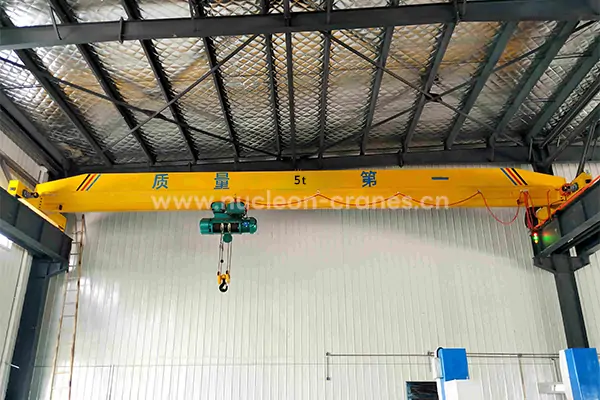
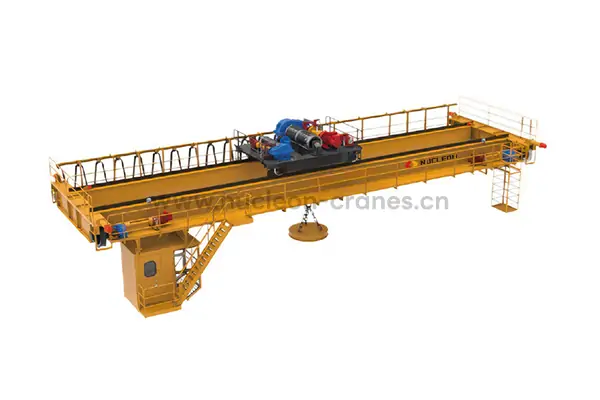
2.1 Мостовой кран (Мостовой кран грузоподъемностью 5 тонн)
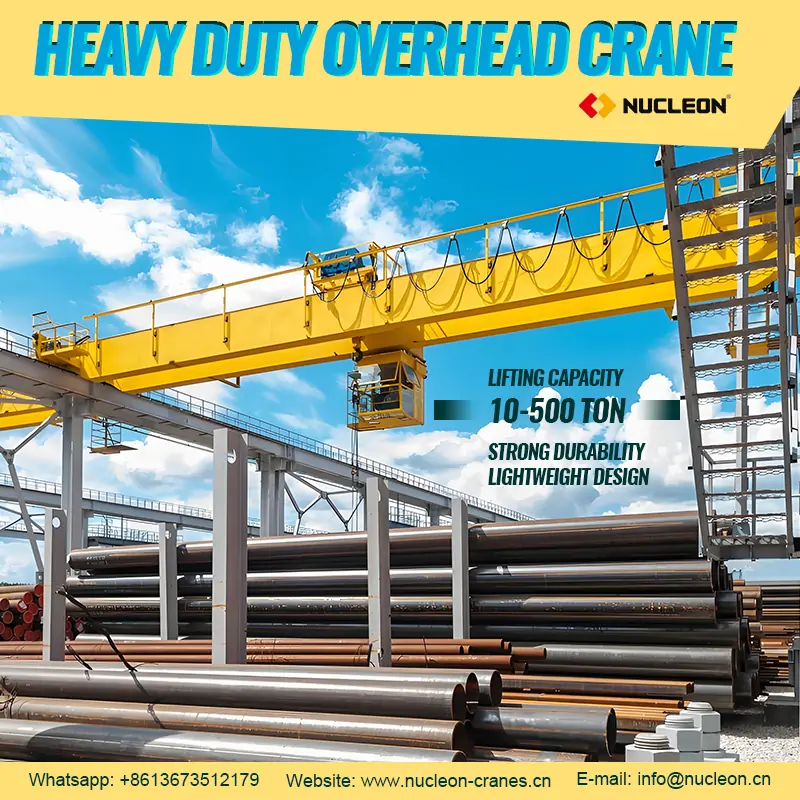
мостовой кран — также называемый электрическим мостовым краном или мостовым краном — является рабочей лошадкой тяжелой промышленности. Он перемещается по рельсам, установленным на конструкции здания, и обеспечивает полное покрытие площади пола под ним. Для мостового крана грузоподъемностью 5 тонн типичные пролеты варьируются от 5 до 30 м, а высота подъема — от 4 до 20 м в зависимости от высоты здания.
Данная конфигурация идеально подходит для использования 5-тонных кранов на производственных линиях заводов, в цехах по изготовлению металлоконструкций и на сборочных линиях, где необходимо многократно перемещать материалы на большие площади. Основной компромисс заключается в стоимости установки и требованиях к несущей способности колонн или крыши здания выдерживать нагрузку от рельсов.
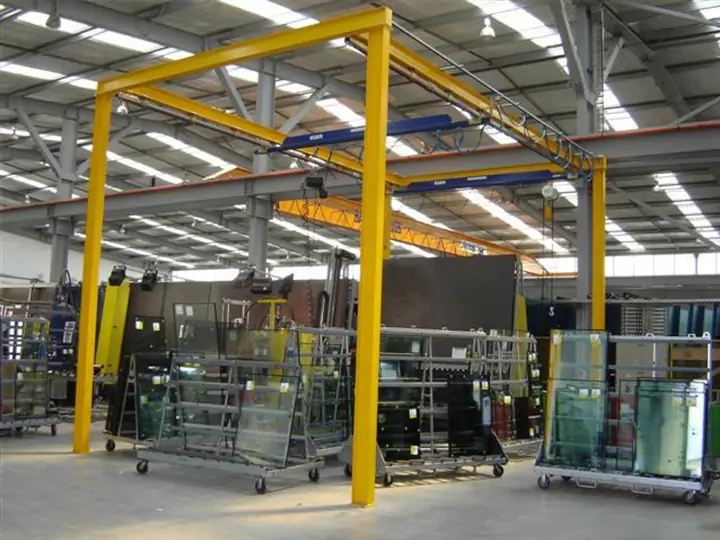
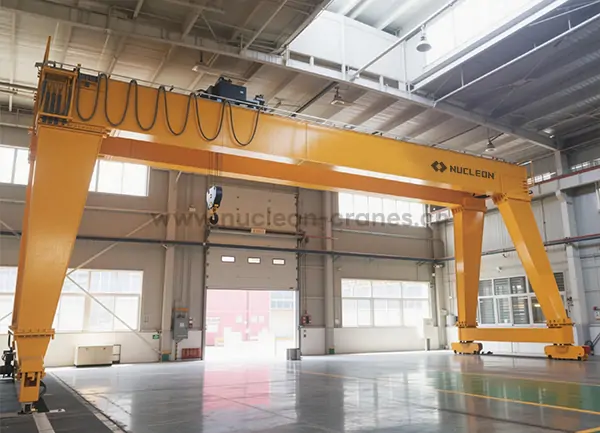
2.2 Козловой кран (Переносной или стационарный, 5 тонн)
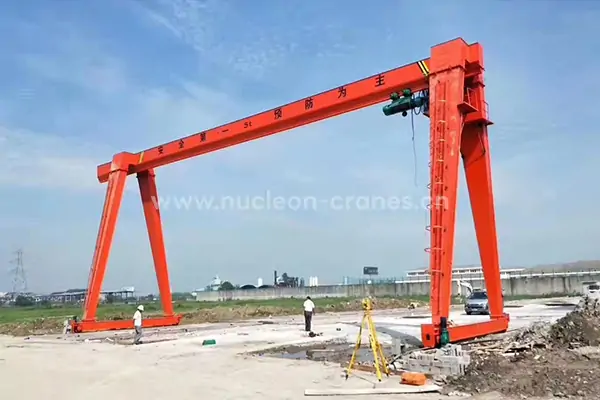
Козловой кран опирается на две А-образные опоры, перемещающиеся по рельсам на уровне пола или на колесах с резиновыми шинами, что делает его независимым от конструкции здания. Это предпочтительное решение для открытых площадок, складских помещений на открытом воздухе, железнодорожных депо и объектов, где использование потолочных рельсов нецелесообразно.
Козловой кран грузоподъемностью 5 тонн выпускается в вариантах с полной козловой конструкцией (обе опоры подвижны) и полукозловой конструкцией (одна опора стоит на рельсах пола, другая — на стене или приподнятых рельсах). Существуют также переносные алюминиевые козловые краны такой же грузоподъемности, но они, как правило, предназначены для очень легких промышленных или ремонтных работ — для тяжелых стальных конструкций требуются стальные козловые краны с неподвижными рельсами.
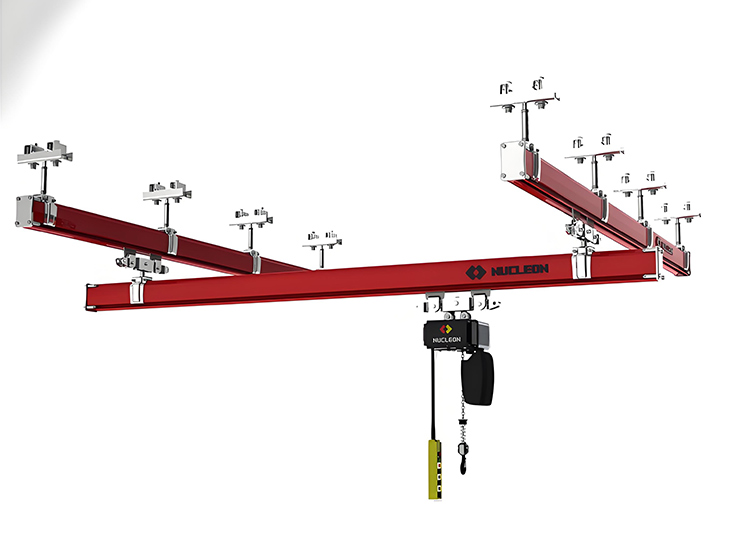
2.3 Консольный кран (Рабочая станция грузоподъемностью 5 тонн или установка на колонне)
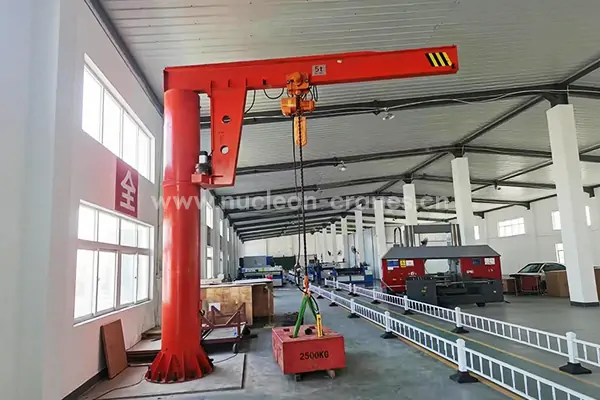
стреловой кран Стреловые краны состоят из горизонтальной стрелы, установленной на вертикальной мачте или стене, что позволяет им вращаться на 180°–360° в пределах заданного радиуса. Стреловые краны грузоподъемностью 5 тонн используются на специализированных рабочих местах, в цехах обработки на станках с ЧПУ, на погрузочных площадках и сборочных участках. Их установка занимает меньше времени, чем установка мостовых кранов, и они не требуют наличия рельсового пути.
Ограничением является зона охвата — консольный кран обслуживает только радиус вокруг точки крепления, обычно от 2 до 8 метров для 5-тонной модели. Для предприятий, которым требуется подъем грузов непосредственно на отдельных участках, а не по всей территории объекта, консольный кран предлагает отличное соотношение цены и качества.
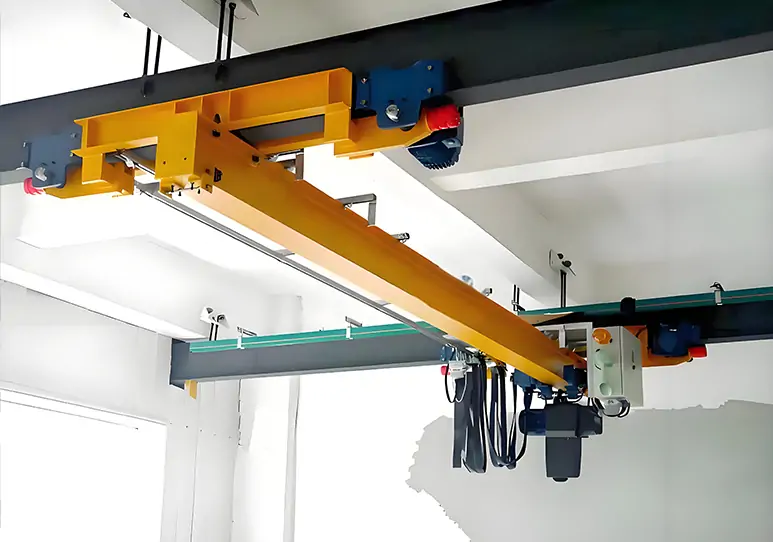
2.4 Электрический подъемный кран (Однобалочная против двухбалочной)
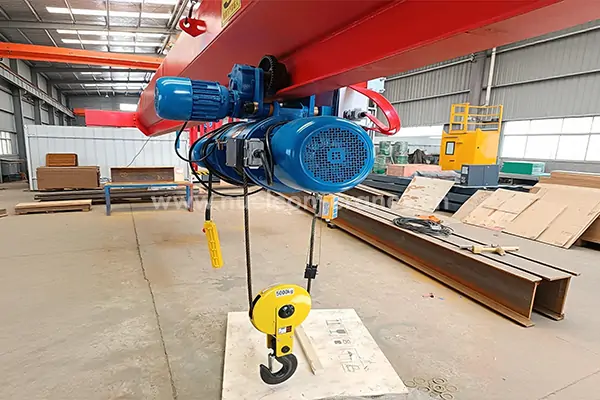
Электрический подъемный кран — это, по сути, подъемный механизм, представляющий собой барабан с электроприводом или цепной механизм, прикрепленный к мостику или стреле. При грузоподъемности 5 тонн покупателям приходится выбирать между однобалочной и двухбалочной конструкциями мостика. Однобалочные краны легче, дешевле и подходят для работы в классах A3–A5. Двухбалочные краны перемещают подъемный механизм между балками, обеспечивая меньшую высоту подхода к крюку и позволяя выполнять более тяжелые режимы работы (A6–A8).
Для большинства складов и предприятий легкой промышленности достаточно однобалочного электрического подъемного крана грузоподъемностью 5 тонн. В условиях тяжелого производства, круглосуточной работы и высокой частоты подъема грузов следует выбирать двухбалочный кран.
| Тип крана | Лучшее приложение | Диапазон пролета | Типичный класс службы | Относительная стоимость |
| Надземный мост (EOT) | Производственные цеха, большие склады | 5–30 м | A3–A7 | Средне-высокий |
| Козловой кран | Открытые дворы, наружное хранилище | 5–35 м | A3–A6 | Средний |
| Консольный кран | Рабочие места, погрузочные площадки | радиус 2–8 м | А2–А5 | Низкий–Средний |
| Электрический тельфер Кран | Все типы (компоненты) | Н/Д | A3–A8 | Различный |
Источник: FEM 1.001 (4-е издание, 2021 г.), Спецификация CMAA № 70 (2020 г.). Диапазоны цен являются ориентировочными; для получения информации о ценах, соответствующих конкретному проекту, обратитесь к производителю.
Технические характеристики 3.5-тонного крана: что на самом деле означают эти цифры.
Чтение технических характеристик крана может вызывать затруднения, если вы не уверены, какие именно параметры определяют реальную производительность. В этом разделе рассматриваются важнейшие параметры 5-тонного крана, объясняется, что означает каждое число на практике, и выделяются цифры, которые покупатели чаще всего неправильно интерпретируют.
3.1 Подход с использованием пролета и крюка
Пролет — это расстояние между центрами рельсов на направляющих. Для мостового крана грузоподъемностью 5 тонн стандартные пролеты обычно составляют 6 м, 9 м, 12 м, 15 м и 18 м, но большинство производителей могут предложить пролеты нестандартной длины. Больший пролет увеличивает прогиб балки; убедитесь, что проектировщик крана учел пределы прогиба в соответствии со стандартом ISO 8686-1 (максимальное значение L/700 при номинальной нагрузке для большинства промышленных кранов).
Расстояние подхода к крюку — насколько близко крюк может подойти к центральной линии рельса — часто упускается из виду. Неправильный подход к крюку означает наличие «мертвых зон» в концах пролета, где подъем груза на полную мощность невозможен. Двухбалочные краны обеспечивают меньшее расстояние подхода к крюку, чем однобалочные конструкции.
3.2 Высота подъема и высота потолка
Высота подъема — это вертикальное расстояние от уровня пола до максимальной высоты крюка. Для 5-тонного крана, используемого на складе, стандартная высота подъема составляет 6 м, 9 м и 12 м, но возможны и индивидуальные варианты. Здесь крайне важно расстояние между верхней частью самого высокого груза и нижней частью несущих конструкций крана — недостаточная высота подъема является одной из основных причин дорогостоящих переделок оборудования после установки.
3.3 Скорость подъема и скорость перемещения
Технические характеристики скорости напрямую влияют на производительность. Стандартный 5-тонный электрический подъемный кран обеспечивает скорость подъема от 2 до 8 м/мин (низкая скорость) и до 16 м/мин (высокая скорость) при использовании частотно-регулируемого привода (ЧРП). ЧРП настоятельно рекомендуется для всех новых установок — он снижает ударные нагрузки на конструкцию до 401 Тл по сравнению с контакторами с фиксированной скоростью (источник: данные Schneider Electric по промышленному применению, 2022 г.).
| Спецификация | Типичный диапазон (5 тонн) | На что обратить внимание |
| Номинальная мощность | 5000 кг (5 метрических тонн) | Уточните, включает ли допустимая рабочая нагрузка (SWL) вычет веса такелажа, если таковой имеется. |
| Спам | 6–18 м (стандартная длина), до 35 м (по индивидуальному заказу) | Убедитесь, что отклонение балки соответствует стандарту ISO 8686-1. |
| Высота подъема | Стандартная длина 6–12 м, по индивидуальному заказу – до 30 м. | Проверьте высоту потолка относительно конструкции здания. |
| Скорость подъема | 2–16 м/мин (регулируемая скорость вращения преобразователя) | Рекомендуется использовать частотно-регулируемый привод (ЧРП); снижает структурные ударные нагрузки ~40% |
| Скорость движения по мосту | 10–40 м/мин | Более высокие скорости требуют более точной компоновки взлетно-посадочной полосы. |
| Класс долга | A3–A7 (наиболее часто встречается при 5 т) | Соответствие фактическому циклу использования, а не наихудшему сценарию. |
| Блок питания | 380–480 В, 3-фазное, 50/60 Гц | Перед оформлением заказа подтвердите напряжение электропитания объекта. |
| Класс защиты | Стандарт IP54; IP65 для пыле- и влажных условий | Крайне важен для пищевой, химической промышленности и работы в условиях окружающей среды. |
| Рабочая температура. | от -20°C до +40°C (стандартный диапазон) | Доступны варианты для арктических условий или высоких температур; укажите, если необходимо. |
Источник: ISO 8686-1:2012, IEC 60034-1 (стандарт для двигателей), EN 15011:2011+A1:2014 (мостовые краны). Параметры проверены по техническим паспортам основных производителей (2023–2024 гг.).
4. Как выбрать 5-тонный кран: практический контрольный список для покупателя
Знать, на что способен кран, — это не то же самое, что знать, какой именно кран следует купить. В этом разделе менеджерам по закупкам предлагается структурированный процесс принятия решений — от оценки объекта и определения технических характеристик до оценки поставщиков — чтобы ничего важного не было упущено.
4.1 Оцените требования к вашему объекту и его применению.
- Составьте карту размеров вашего бокса: измерьте пролет (от рельса до рельса), необходимую высоту подъема и зазоры между проходами.
- Определите свой рабочий цикл: оцените суточную частоту подъема грузов, средний вес груза и максимальный вес груза.
- Проверьте конструкцию здания: для мостовых кранов подтвердите несущую способность колонн и крыши с помощью инженера-конструктора.
- Необходимо учитывать факторы окружающей среды: экстремальные температуры, пыль, влажность, коррозионная атмосфера или риск взрыва — все это влияет на технические характеристики крана.
4.2 Выберите тип и конфигурацию крана.
- Выбирать мостовой кран если вам требуется полное покрытие боксов в стационарном учреждении.
- Выбирать козловой кран если здание не может выдерживать нагрузки от взлетно-посадочной полосы или если необходима мобильность.
- Выбирать консольный кран для специализированного подъема грузов на рабочее место с минимальными требованиями к перемещению.
- Для условий эксплуатации A3–A5 следует выбирать однобалочную конструкцию; для условий A6+ или в случаях, когда критически важен низкий крюк при подходе к объекту, следует использовать двухбалочную конструкцию.
4.3 Оцените поставщиков и стандарты безопасности.
При покупке 5-тонного крана убедитесь, что производитель и продукция соответствуют применимым стандартам для вашего рынка. Для выхода на европейский рынок обязательна маркировка CE в соответствии с Директивой 2006/42/EC о машиностроении. В Северной Америке ключевыми стандартами являются ASME B30.2 и спецификация CMAA № 70. Что касается китайских производителей, экспортирующих продукцию по всему миру, необходимо подтвердить соответствие стандарту GB/T 14406 или стандарту, применимому к целевому экспортному рынку.
Запрашивайте у каждого поставщика документально подтвержденные результаты испытаний на нагрузку, сертификаты на основные несущие стальные конструкции и отчеты о расчетах по методу конечных элементов/стандартам ISO. Авторитетные производители 5-тонных кранов предоставят их без колебаний; любое сопротивление является тревожным сигналом.
4.4 Общая стоимость владения, а не только цена покупки.
Цена 5-тонного крана, указанная в коммерческом предложении, включает только оборудование — она редко включает монтаж, подключение к электросети, строительство взлетно-посадочной полосы, обучение операторов или ввод в эксплуатацию. В полную смету следует добавить 30–601 тонну к стоимости крана для типичной новой установки. Стоимость технического обслуживания — еще один важный фактор: запросите у поставщиков рекомендуемый график интервалов обслуживания и смету расходов на первые пять лет. Бренды с местными сервисными сетями значительно снижают риск простоев.
5. Стандарты безопасности и соответствия требованиям для кранов грузоподъемностью 5 тонн.
Соблюдение требований безопасности является обязательным условием для любой промышленной крановой системы. Аварии с кранами чаще всего происходят из-за перегрузки, недостаточного технического обслуживания, ошибок оператора и несоответствия оборудования стандартам — всего этого можно избежать при надлежащем соблюдении стандартов.
Для любого 5-тонного подъемного крана перед вводом в эксплуатацию должны быть выполнены следующие условия:
- Испытание под нагрузкой: В соответствии с требованиями FEM 1.001 и ISO 4310 перед первым использованием необходимо провести статические испытания под нагрузкой при 125% SWL и динамические испытания при 110% SWL.
- Защита от перегрузки: устройства защиты от перегрузки (ограничители нагрузки) являются обязательными в соответствии со стандартами EN 15011 и ASME B30.2.
- Концевые выключатели: верхний и нижний пределы подъема, а также предельные пределы перемещения на мостике и тележке.
- Аварийная остановка: доступна с рабочего места оператора в любое время.
- Периодическая проверка: ежегодная полная проверка квалифицированным инженером; ежемесячные проверки компетентным лицом.
Операторы должны пройти обучение и, в большинстве юрисдикций, иметь действующее свидетельство на управление краном. Не следует упускать из виду требования к страхованию — многие страховые компании, специализирующиеся на промышленной страховке, требуют документально подтвержденных ежегодных проверок в качестве условия страхового покрытия.
| Стандарт / Нормативный акт | Область | Объем | Основные требования к 5-тонным кранам |
| EN 15011:2011+A1:2014 | Европа (CE) | Мостовые и мостовые краны | Проектирование, изготовление, испытания под нагрузкой, устройства безопасности. |
| Директива 2006/42/EC о машинах и механизмах | Европа | Вся техника, включая краны. | Для выхода на рынок обязательна маркировка CE. |
| ASME B30.2-2022 | Северная Америка | Мостовые и козловые краны | Требования к установке, эксплуатации и техническому обслуживанию |
| Спец. CMAA № 70 (2020) | Северная Америка | Вертикальные мостовые краны | Классификация конструкции и конструктивные требования |
| ISO 4310:2009 | Международный | Краны — процедуры испытаний | Методы испытаний под нагрузкой и критерии приемки |
| GB/T 14406-2011 | Китай | Обычные мостовые краны | Национальный стандарт проектирования и производства. |
Примечание: Стандарты периодически пересматриваются. Перед использованием всегда сверяйтесь с актуальной редакцией в соответствующем органе по стандартизации. Требования к маркировке CE применяются при продаже товаров в Европейскую экономическую зону.
6. Прайс-лист на 5-тонные краны и рекомендации по их покупке.
Цена всегда является первостепенным фактором, и диапазон цен на 5-тонные краны действительно очень широк. Базовая электрическая лебедка на неподвижной балке в небольшой мастерской может стоить менее 2000 долларов США. Полная двухбалочная мостовая крановая система с пролетом 18 м, частотно-регулируемыми приводами и классом нагрузки A6 обойдется более чем в 30 000 долларов США до установки. Понимание того, что влияет на цену приводов, помогает объективно оценивать предложения.
| Конфигурация | Вместимость | Типичный ценовой диапазон (только оборудование, доллары США) | Основные факторы, влияющие на стоимость |
| Однобалочный мостовой кран | 5 тонн, размах крыльев 6–12 м | $7,000 – $20,000 | Размах крыла, высота подъема, класс нагрузки, органы управления. |
| Двухбалочный мостовой кран | 5 тонн, размах крыльев 6–18 м | $16,000 – $43,000 | Конструкция балки, частотный преобразователь, класс нагрузки, отделка. |
| Стационарный козловой кран | 5 тонн, размах крыльев 6–15 м | $8,000 – $23,000 | Конструкция опор, пролет, мобильность (колеса/рельсы) |
| стреловой кран (на колонне) | 5 тонн, радиус 4–8 м | $4,000 – $14,000 | Радиус стрелы, поворотный тип, работы на фундаменте |
| Только электрическая цепная лебедка | 5 тонн | $1,000 – $4,000 | Высота подъема, класс скорости, марка |
Примечание: Цены указаны ориентировочно, на условиях FOB производителя, исходя из рыночных данных (2023–2024 гг.). Цены могут варьироваться в зависимости от региона, объема заказа, технических характеристик и рыночных условий. Всегда запрашивайте три или более конкурентных предложения. Стоимость монтажа, прокладки кабеля и электромонтажных работ оплачивается дополнительно.
При оценке 5-тонного крана, предлагаемого к продаже незнакомым поставщиком, запросите отзывы существующих клиентов из аналогичной отрасли, попросите предоставить документацию о системе управления качеством (сертификация ISO 9001 является базовым требованием) и подтвердите условия гарантии — авторитетный производитель 5-тонных кранов должен предлагать как минимум 12-месячную гарантию на запчасти и доступное послепродажное обслуживание.
7. Примеры применения в реальной жизни
Пример А: Склад автозапчастей (5-тонный мостовой кран)
Средний по размеру дистрибьютор автомобильных запчастей на Среднем Западе США модернизировал существующий склад площадью 40 000 кв. футов, установив два однобалочных мостовых крана грузоподъемностью 5 тонн с пролетом 12 м. Краны, поставленные сертифицированным производителем CMAA и соответствующие стандарту ASME B30.2, сократили ручной труд по перемещению паллет примерно на 601 тонну и уменьшили время цикла погрузки/разгрузки с 35 минут до менее чем 15 минут на один грузовик. Общая стоимость установки, включая стальные рельсы, составила приблизительно 85 000 долларов США для обеих установок. (Источник: Библиотека примеров из практики членов CMAA, 2022 — можно проверить на сайте CMAA cmaa.net)
Вариант B: Открытая площадка для изготовления стальных конструкций (козловой кран грузоподъемностью 5 тонн)
Немецкий производитель металлоконструкций установил 5-тонный двухбалочный козловой кран на наружном железнодорожном пути длиной 16 м для выполнения операций по перемещению балок и погрузке. Кран был спроектирован в соответствии со стандартом EN 15011, имеет степень защиты IP65 от дождя и стальной пыли и класс нагрузки A5 для среднечастотных циклов подъема. Конфигурация козлового крана была выбрана потому, что существующую конструкцию ангара экономически нецелесообразно было усиливать для выдерживания нагрузок от подвесного пути. (Ссылка: Demag Cranes & Components AG, проектная документация — можно проверить на сайте demag.com)
Заключение: Сделайте уверенную покупку 5-тонного крана
В Европе требования к сертификации операторов устанавливаются отдельными государствами-членами ЕС, хотя большинство из них следуют рекомендациям стандарта EN 14010. В Китае операторы кранов обязаны иметь сертификат оператора специального оборудования (TSG Q0002).
- Прежде чем вести переговоры с поставщиками, начните с тщательной оценки производственных мощностей и области применения.
- Выберите тип крана (мостовой, козловой, стреловой) в соответствии с вашими физическими ограничениями и потребностями в охвате территории.
- Класс эксплуатации всегда указывается исходя из фактического использования, а не из предположений о наихудшем сценарии.
- Требуется документация, подтверждающая соответствие стандартам: маркировка CE, ASME B30.2, протоколы испытаний ISO или эквивалентные документы.
- Заложите в бюджет средства на монтаж, электромонтажные работы, ввод в эксплуатацию и пятилетнее техническое обслуживание — а не только на оборудование.
Если вы находитесь на начальном этапе закупок, скачайте наш контрольный список технических характеристик 5-тонного крана (рекомендуемый ресурс) или свяжитесь с квалифицированным консультантом по кранам, чтобы он проверил чертежи вашего объекта, прежде чем отправлять запрос на коммерческое предложение.

Специалист по оборудованию
Успешный менеджер по работе с кранами с обширным опытом в управлении крупномасштабными проектами и операционным контролем. Подтвержденный опыт увеличения доходов и обеспечения соблюдения требований безопасности.
Часто задаваемые вопросы (FAQ)
В1: В чем разница между 5-тонным краном и 5-тонным подъемником?
Пятитонный подъемник — это подъемный механизм: двигатель, барабан и крюк, которые фактически поднимают и опускают груз. Пятитонный кран — это комплектная система, включающая подъемник, тележку, на которой он перемещается, мостовую или стреловую конструкцию и направляющую или опорную раму. Использовать подъемник отдельно без балки или конструкции для его крепления невозможно. Когда говорят 'купите пятитонный кран', обычно имеют в виду полный комплект мостового или козлового крана, включая подъемник.
В2: Сколько времени занимает установка мостового крана грузоподъемностью 5 тонн?
Время монтажа во многом зависит от наличия уже существующих рельсов для подъема крана. Для нового оборудования, требующего строительства рельсов, электромонтажа и ввода в эксплуатацию, следует заложить 5–10 рабочих дней на стандартный однобалочный мостовой кран грузоподъемностью 5 тонн в здании с беспрепятственным доступом. Если рельсы уже установлены, монтаж моста крана и подъемника обычно занимает 2–4 дня для профессиональной монтажной бригады. Всегда учитывайте время поставки оборудования: большинство производителей 5-тонных кранов указывают срок изготовления от 4 до 12 недель в зависимости от спецификации и объема заказа.
В3: Нужна ли мне лицензия или сертификат для управления 5-тонным краном?
Требования различаются в зависимости от страны и юрисдикции, но в большинстве развитых стран — да, операторы кранов должны иметь действующий сертификат. В Соединенных Штатах стандарт OSHA 1910.179 требует, чтобы операторы были "квалифицированными", в то время как многие штаты требуют официальной сертификации через NCCCO (Национальную комиссию по сертификации операторов кранов) или эквивалентный орган. В Европе требования к сертификации операторов определяются отдельными государствами-членами ЕС, хотя большинство придерживается рекомендаций стандарта EN 14010. Что касается Китая, правительство требует от операторов кранов получения сертификата оператора специального оборудования (TSG Q0002). Всегда уточняйте требования вашей местной юрисдикции, прежде чем развертывать любую промышленную крановую систему.
Вопрос 4: Каков типичный срок службы 5-тонного крана?
Правильно подобранный и обслуживаемый 5-тонный кран, как правило, обеспечивает срок службы 20–30 лет в соответствии с целевыми показателями срока службы по стандарту ISO 4301-1 для своего класса эксплуатации. Несущая конструкция рамы обычно служит дольше, чем механические и электрические компоненты, которые являются изнашивающимися элементами и требуют периодической замены. Ключевые этапы технического обслуживания включают проверку троса подъемника каждые 6 месяцев, ежегодную проверку тормозных колодок и полную структурную проверку каждые 2–5 лет в зависимости от класса эксплуатации и режима работы. Использование крана сверх расчетного рабочего цикла — работа оборудования класса А3 с частотой класса А6 — значительно сокращает срок службы и создает угрозу безопасности.
В5: Можно ли использовать 5-тонный козловой кран на открытом воздухе?
Да, но спецификация должна учитывать условия эксплуатации на открытом воздухе. Для использования на открытом воздухе необходимо указать минимальный уровень защиты IP55 для всех электрических компонентов (IP65 для условий сильного дождя или мойки), оцинкованную или порошково-окрашенную конструкционную сталь для защиты от коррозии, а также расчет на ветровую нагрузку в соответствии с соответствующим стандартом для вашего региона (EN 1991-1-4 в Европе; ASCE 7 в Северной Америке). Если кран будет эксплуатироваться в ветреную погоду, рекомендуется использовать блокировки по скорости ветра. Козловые краны грузоподъемностью 5 тонн для работы на открытом воздухе широко используются на металлургических заводах, заводах по производству сборного железобетона и железнодорожных ремонтных предприятиях при условии правильного выбора спецификации.
Рекомендуемые ресурсы и дополнительная литература
- Классификация и технические характеристики кранов CMAA — cmaa.net
- FEM 1.001 Правила проектирования подъемных устройств — fem-eur.com
- ISO 4301-1: Краны — Классификация — iso.org
- ASME B30.2: Мостовые и козловые краны — asme.org
- Сертификация оператора крана NCCCO — nccco.org

 English
  العربية
  Español
  Français
  Português
  Русский