

Project Snapshot
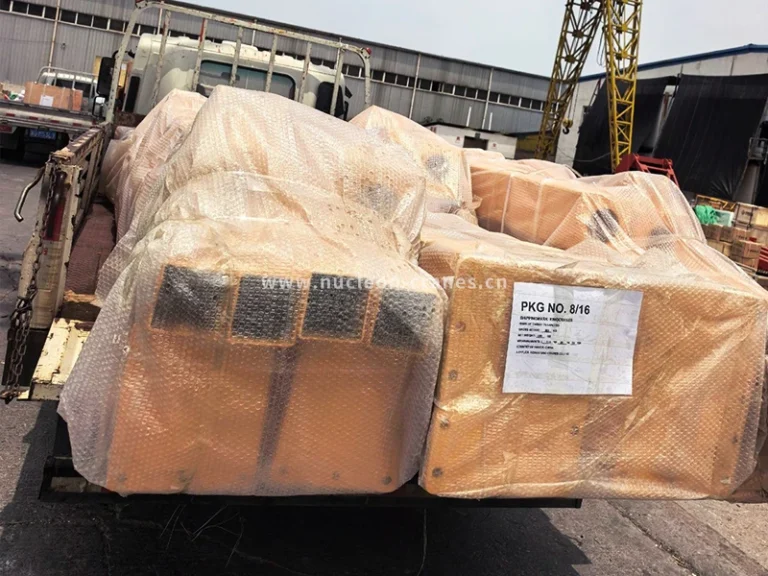
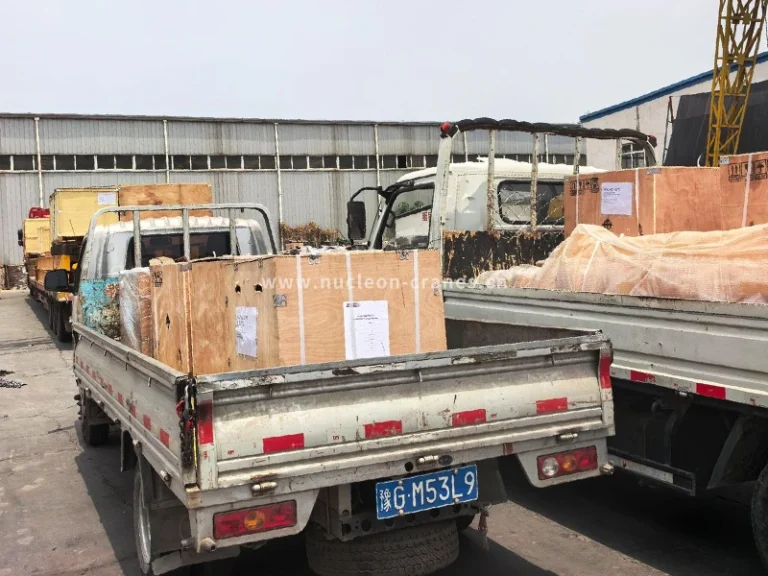
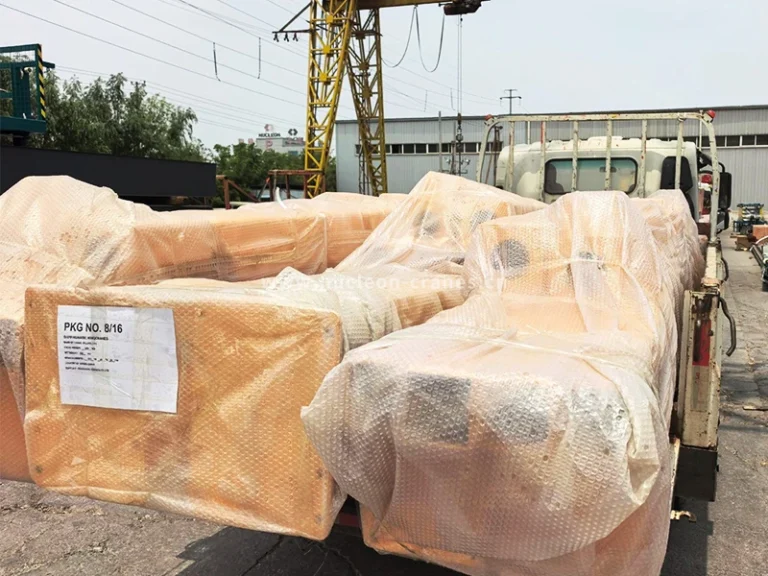
| Location | Australia |
| Facility Type | Maintenance workshop, multiple maintenance bays |
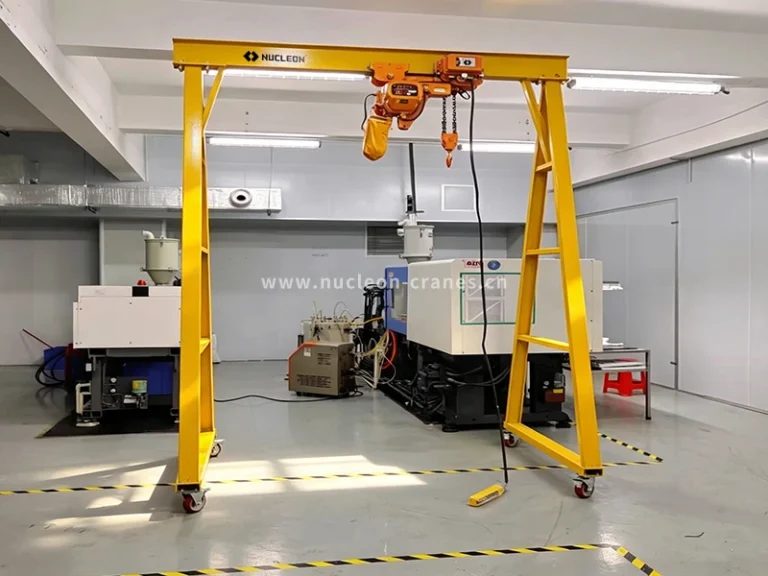
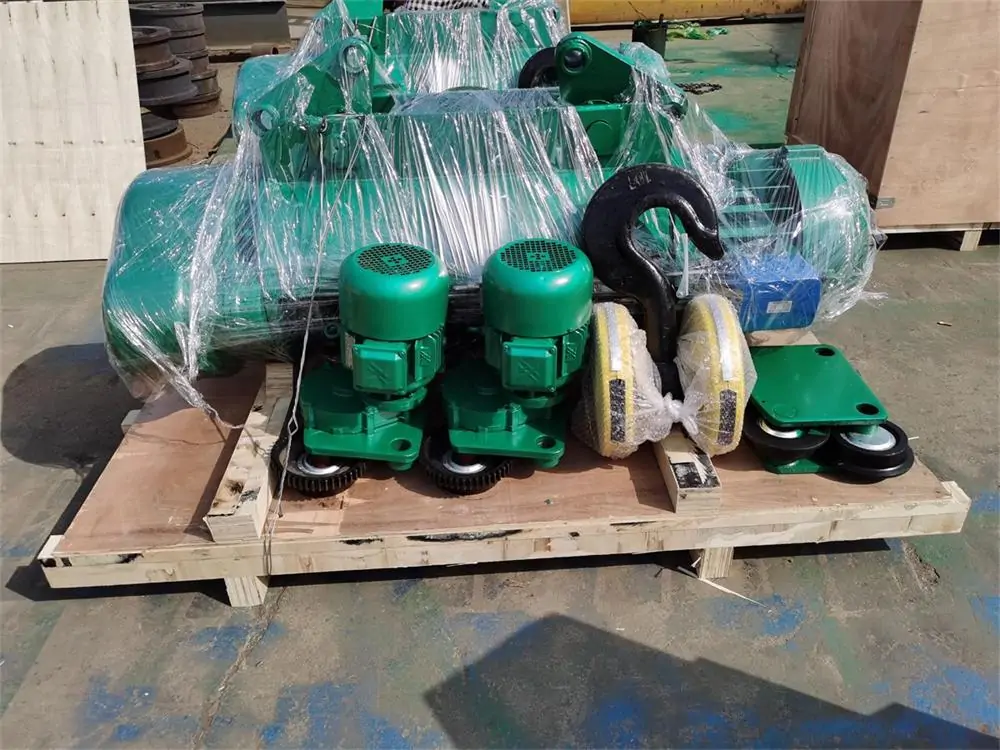
| Equipment Supplied | 10 sets of portable gantry cranes with electric chain hoists |
| Core Need | Independent, relocatable lifting at each maintenance station |
| Outcome | Reduced scheduling conflicts, faster equipment servicing, flexible workshop lifting |
The Challenge
A maintenance workshop in Australia runs several maintenance bays side by side, each dedicated to tasks like machine maintenance, component installation, and spare parts replacement. For years, these stations shared a small number of fixed lifting points, which meant maintenance staff often had to wait their turn for lifting access — even when a job itself only took a few minutes.
As workload increased, this bottleneck became harder to ignore. The workshop needed a way to give each maintenance bay its own lifting capability, without the cost, downtime, and structural work that installing multiple fixed overhead cranes would require. Whatever solution they chose also had to be easy to reposition, since maintenance priorities and station layouts shifted from month to month.
In short, the workshop was looking for:
- Independent lifting at each maintenance station, not a shared resource
- Equipment that could be relocated as workload and layout needs changed
- Fast deployment with minimal disruption to ongoing operations
- A cost-effective alternative to fixed overhead crane installation
- Safe, controlled lifting suited to routine equipment servicing rather than continuous heavy material handling
The Solution
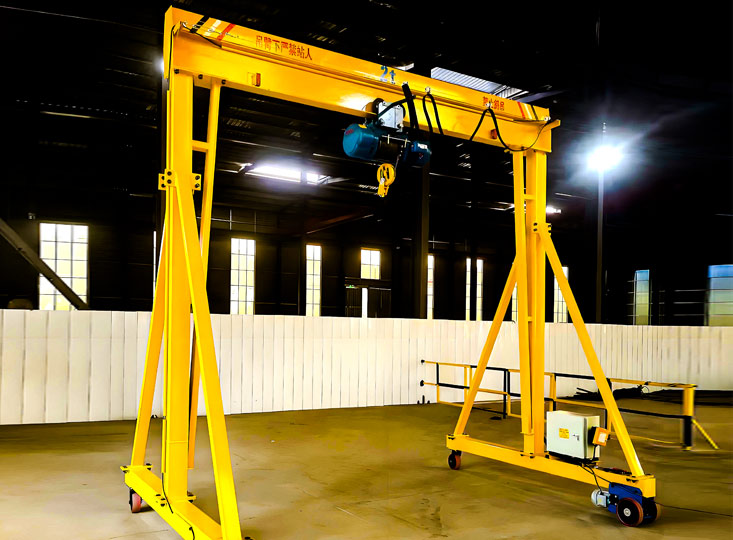
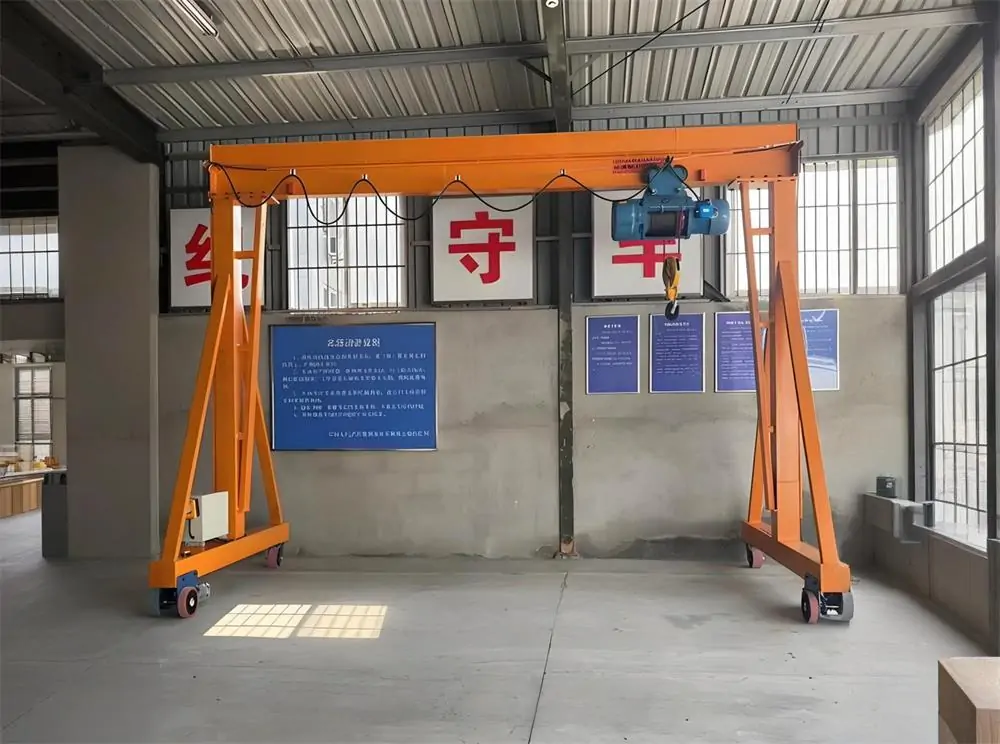
Working with these constraints, the project team specified 10 sets of portable gantry cranes with electric chain hoists — one unit per maintenance bay. Unlike a fixed bridge crane running on rails, a portable gantry crane is a freestanding, mobile lifting frame that can be assembled, adjusted, and moved without structural installation.
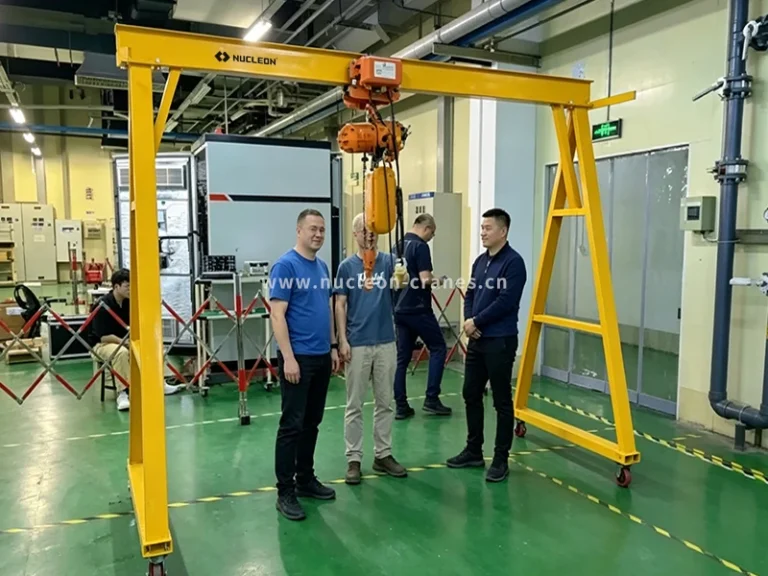
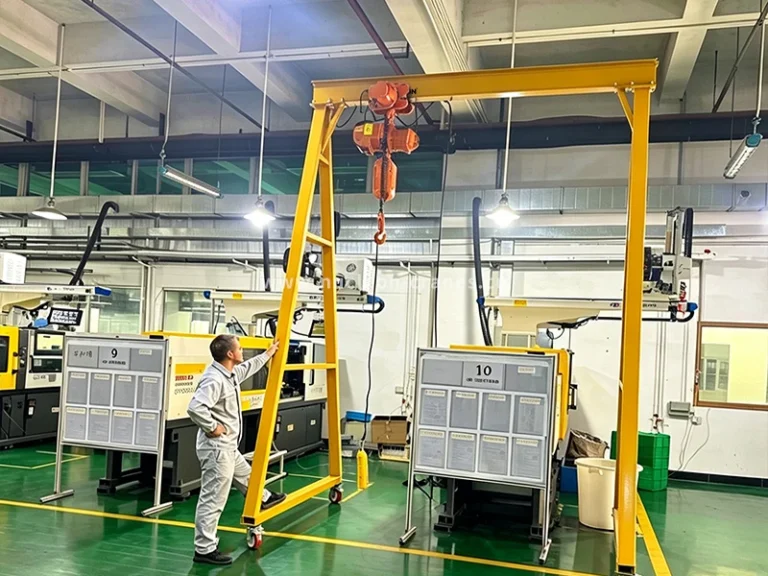
Each unit in this project was configured as follows:
| Parameter | Value |
| Quantity Supplied | 10 sets |
| Crane Type | Portable gantry crane, adjustable height/span |
| Hoist Type | Electric chain hoist |
| Structure | Mobile, freestanding frame (no fixed installation required) |
| Mobility | Caster wheels for easy relocation across the workshop |
| Assembly | Modular components for quick on-site assembly |
| Control | Pendant control for the electric chain hoist |
| Application | Indoor maintenance bays, workshop lifting stations |
(Capacity, height, and span were configured per maintenance bay based on the equipment being serviced and available floor space; these can be adjusted for other workshops based on their own requirements.)
Why This Approach Works
Distributing lifting capability across 10 independent units, rather than centralizing it in a single large crane, directly solved the workshop's scheduling problem — each maintenance bay could now lift on demand instead of waiting for a shared bridge crane to become free.
The adjustable frame design meant every unit could be tailored to its own station: taller and wider where larger machinery needed servicing, more compact where floor space was limited. And because each portable gantry crane sits on caster wheels rather than fixed rails, the workshop retained the flexibility to reposition units as maintenance priorities shifted — something a fixed crane installation simply cannot offer.
Pairing each gantry frame with an electric chain hoist, rather than a heavier-duty hoist type, matched the equipment to the actual nature of the work: frequent, moderate-weight lifting for maintenance tasks, not continuous heavy material handling.
Deployment in Action
Rolling out 10 lifting stations across an operating workshop required a process that minimized downtime:
- Assessment — each maintenance bay's floor space, equipment types, and lifting needs were reviewed individually.
- Configuration — gantry height and span were set per station rather than using a single uniform spec.
- Assembly — modular components allowed each portable gantry crane to be built on site without structural work.
- Hoist integration — the electric chain hoist and pendant controls were installed and tested on each unit.
- Load testing — every station was load tested individually to confirm safe operation before handover.
- Training — maintenance staff were trained on safe lifting procedures and how to relocate units when needed.
Because no floor anchoring or structural modification was required, all 10 stations were brought online with minimal interruption to the workshop's daily schedule.
Results and Impact
Since the portable gantry cranes went into service, the workshop has reported:
- Fewer scheduling conflicts — each maintenance bay now lifts independently instead of queuing for shared equipment
- Faster turnaround on equipment servicing, since lifting is available on demand at every station
- More flexible workshop lifting, with units repositioned as maintenance priorities change
- Lower upfront investment compared to installing 10 fixed overhead cranes
- Safer, more controlled material handling through electric chain hoist operation at each bay
- Room to scale, with additional units addable to new stations without further structural work
Where This Solution Fits
While this project centered on a maintenance workshop, portable gantry cranes with electric chain hoists suit a broader range of facilities, including:
- Mechanical workshops handling machine maintenance and equipment assembly
- Plant maintenance areas performing routine equipment servicing and spare parts replacement
- Component installation lines where lifting demand moves between stations
- Warehouses and small factories looking for a lower-cost alternative to fixed overhead cranes
- Multi-station facilities where several independent lifting points make more sense than one shared crane
For operations that need compact, easily relocated lifting equipment without committing to permanent crane infrastructure, this kind of modular lifting system offers a practical middle ground.

Equipment Specialist
Accomplished Crane Business Manager with extensive experience in heavy lift project management and operational oversight. Proven track record of driving revenue growth and ensuring safety compliance.
Frequently Asked Questions
What is a portable gantry crane?
A portable gantry crane is a freestanding, mobile lifting frame — typically fitted with a chain hoist — that can be moved between locations without fixed installation, unlike a bridge or overhead crane mounted on rails.
How is a portable gantry crane different from a fixed overhead crane?
A portable gantry crane can be relocated and reconfigured as needed, while a fixed overhead crane is permanently installed on rails or a structural framework serving a set coverage area.
What is an electric chain hoist used for?
An electric chain hoist provides controlled vertical lifting and lowering, commonly paired with gantry cranes for tasks like equipment maintenance, component installation, and parts handling.
Can these units be adjusted for different equipment sizes?
Yes — height and span can be configured per station to match the machinery and floor space at each maintenance bay.
Is this setup suitable for a busy, multi-station workshop?
Yes. Because each unit operates independently, portable gantry cranes work well in workshops running several simultaneous maintenance tasks.
Relevant Cases
- 30 Ton Marine Travel Lift for Yacht Maintenance Facility in Greece
- 5 Ton Single Girder Overhead Crane Installed in Argentina Warehouse Project
- 15-Ton L-Type Single-Girder Gantry Crane Exported to Oman
- Two 20-ton Single Girder Overhead Cranes Successfully Exported to Indonesia
- 50 Ton Double Girder Gantry Crane Project for Steel Pipe Yard in Botswana


 English
  العربية
  Español
  Français
  Português
  Русский