

Crane duty class is a classification — commonly A1 through A8 under ISO 4301, FEM 1.001, or GB/T 3811 — that describes how hard a crane will be worked over its service life, based on how often it lifts and how close to its rated capacity those lifts are. It has nothing to do with how many tons the crane can lift; a 10-ton crane rated A3 and a 10-ton crane rated A6 can lift the same maximum load, but the A6 unit is built with heavier structural members, better-rated bearings, and a hoist mechanism designed to survive far more lifting cycles before fatigue sets in.
If you're comparing crane quotes and one supplier's number is noticeably lower than another's for what looks like the same tonnage and span, duty class is very often the reason — and it's also one of the easiest specs to get wrong, because it depends on your actual usage pattern, not just what you're lifting.
This guide covers what duty class actually measures, how the ISO/FEM/GB/T A1–A8 system compares to CMAA (used in North America) and HMI (used for hoists), a practical way to estimate your own duty class before requesting quotes, and the specific mistakes — including one that shows up 18–24 months after installation — that come from getting it wrong.
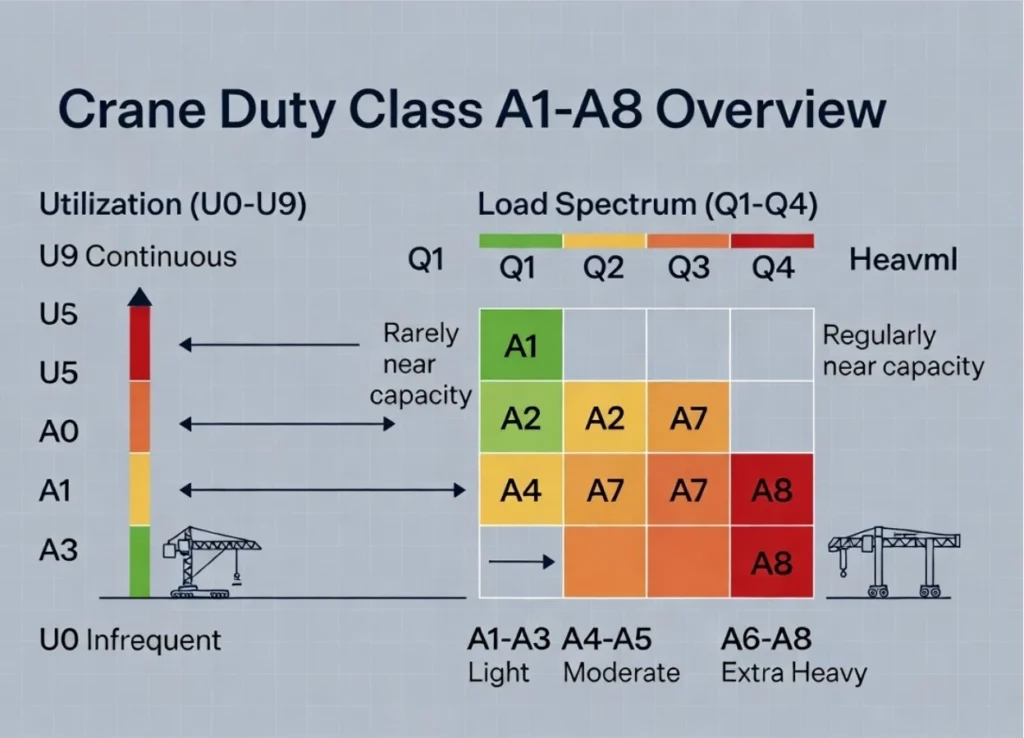
Table of Contents
What Is Crane Duty Class?
Crane duty class combines how often a crane lifts (utilization) with how close to its rated capacity those lifts typically are (load spectrum) into a single rating that determines the crane's structural and mechanical design. Two inputs — not one — decide the class, which is why "how many tons" alone never tells you the duty class.
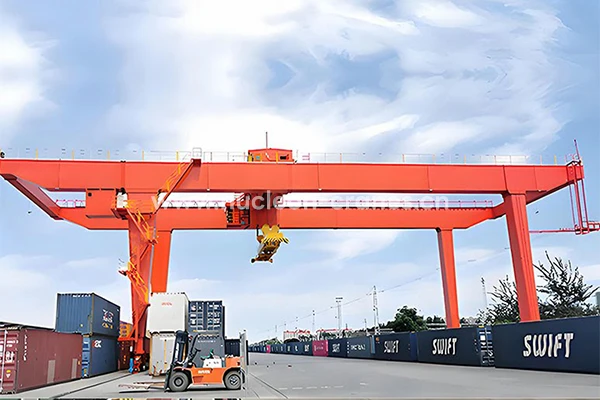
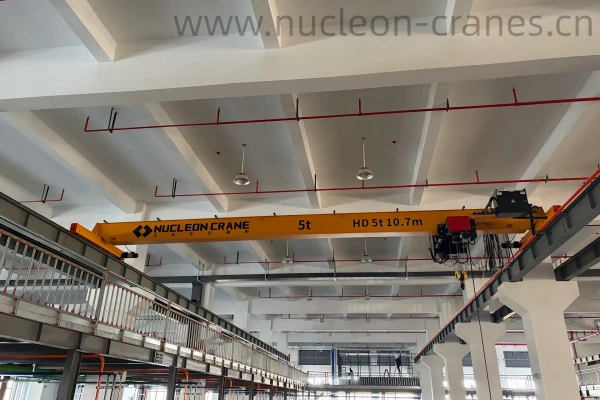
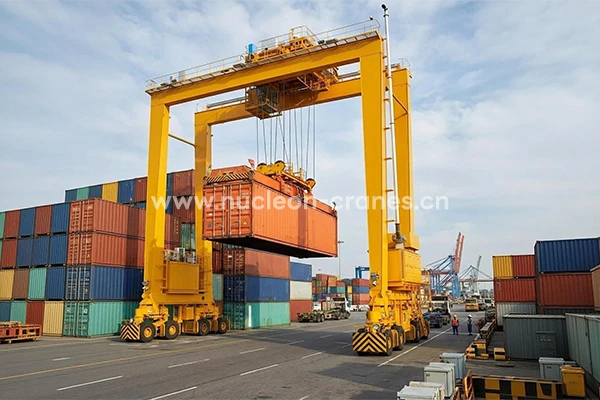
The Two Inputs That Determine Duty Class
Utilization (how often and how long the crane operates) and load spectrum (how close to full rated capacity the average lift is) are combined to produce the final A1–A8 rating. Utilization is typically expressed as a class of use (ISO uses U0 through U9, based on total lifetime operating cycles), while load spectrum is expressed as a coefficient (ISO uses Q1 through Q4, from "rarely near capacity" to "regularly at or near capacity"). A crane that lifts light loads only occasionally lands in a low class (A1–A3); a crane that lifts heavy loads near its rated capacity almost continuously lands in a high class (A7–A8) — and most real-world industrial cranes fall somewhere in the A3–A6 range in between.
How A1–A8 Map to Light, Medium, Heavy, and Extra-Heavy Duty
A1–A4 is generally considered light duty, A5–A6 medium duty, A7 heavy duty, and A8 extra-heavy duty — but the practical difference between classes is fatigue life, not maximum load. For example, an A3-rated crane is typically designed for roughly 25,000–50,000 total lifting cycles over its life with loads rarely exceeding half of rated capacity, while a higher class like A6 is designed to handle both far more cycles and a heavier average load before the same fatigue limit is reached. Static capacity — the number on the nameplate — can be identical between an A3 and an A6 crane; what differs is steel thickness, weld specification, bearing grade, and motor/gearbox rating, all sized to survive the higher class's fatigue demands.
How Duty Class Systems Compare Across Standards
ISO 4301, FEM 1.001, and China's GB/T 3811 all use a functionally equivalent A1–A8 (or M1–M8) system, while North America's CMAA uses a six-tier Class A–F system and hoists specifically are often rated separately under HMI or ASME H1–H5 — so a quote referencing "A5" and one referencing "CMAA Class C" may be describing a similar duty level, but you need the conversion to check.
ISO / FEM / GB/T: The A1–A8 (M1–M8) System
ISO 4301 and FEM 1.001 use near-identical A1–A8 duty groups, and China's GB/T 3811 uses the same eight-level A-series structure, so a crane designed to any one of these standards translates directly to the others. This is the system referenced throughout most international crane manufacturer catalogs and the one used across our other crane guides on this site.
CMAA Class A–F (North America)
CMAA defines six duty classes from Class A (standby or infrequent use) to Class F (continuous severe service near rated capacity), used primarily in the US and Canadian market. Class A and B correspond roughly to light duty (similar to ISO A1–A4), Class C to moderate duty (similar to A5), Class D to heavy duty (similar to A6–A7), and Class E–F to severe/continuous duty (similar to A8).
Comparison Table
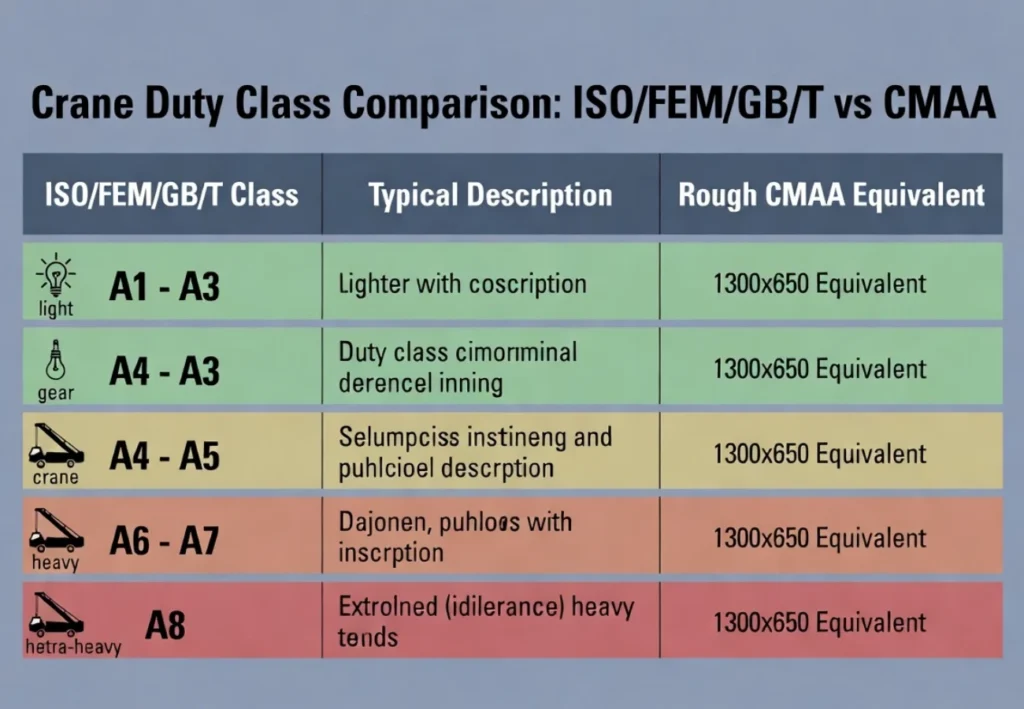
| ISO/FEM/GB/T | Typical Description | Rough CMAA Equivalent |
| A1–A3 | Light duty — infrequent lifts, rarely near capacity | Class A–B |
| A4–A5 | Moderate duty — regular use, mixed load spectrum | Class C |
| A6–A7 | Heavy duty — frequent lifts, often near capacity | Class D–E |
| A8 | Extra-heavy/continuous severe duty | Class F |
This mapping is approximate — the underlying calculation methods differ slightly between standards, so a supplier converting between systems for a specific order should confirm the calculation, not just the table above.
How to Determine the Right Duty Class for Your Application
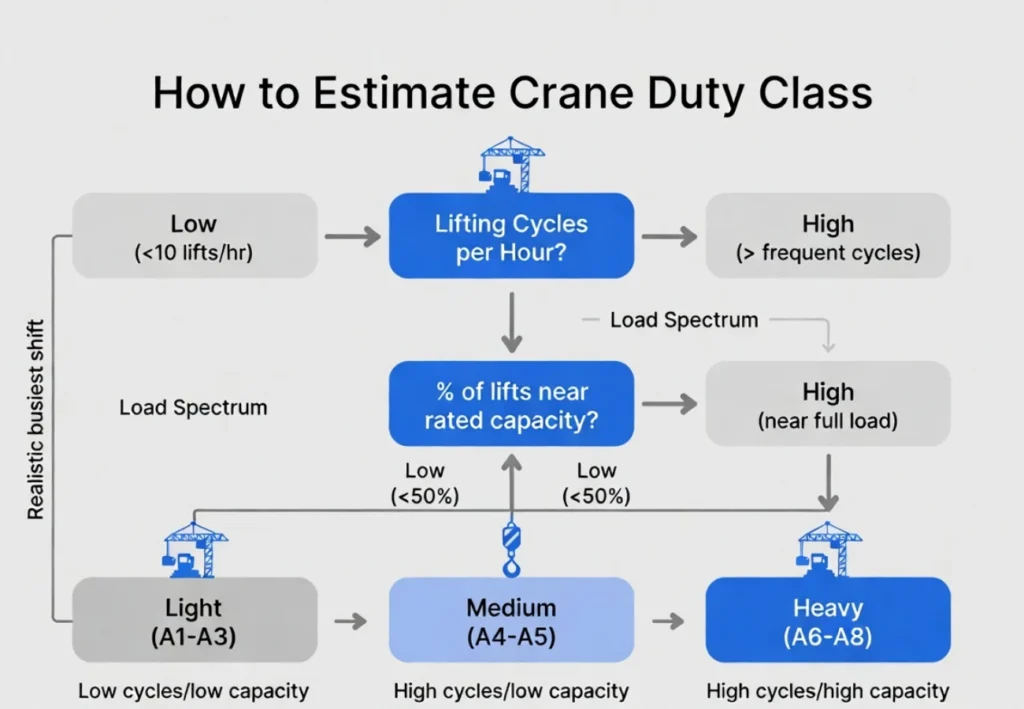
The fastest way to estimate your duty class before requesting a quote is to answer two questions honestly: how many lifting cycles per day (or per hour) will the crane actually perform, and what percentage of those lifts are at or near rated capacity? Suppliers can calculate a precise class from your production schedule, but a rough self-estimate before that conversation prevents both underspecifying and overpaying.
Estimate Your Real Lifting Frequency and Load Spectrum
A crane doing fewer than 10 lifts per hour with loads rarely above half of rated capacity is almost always light duty (A1–A3); a crane cycling every few minutes with loads regularly near capacity is typically A5 or higher. Be specific about your busiest realistic shift, not your average day — a crane that's idle most of the time but occasionally runs a demanding production burst needs to be rated for that burst, not for the average.
Why Duty Class Affects Price More Than Tonnage Does
Two cranes rated for the same tonnage can differ in price by 30% or more once duty class diverges, because a higher class requires heavier structural members, higher-grade bearings, and a hoist mechanism engineered for a longer fatigue life — not just a bigger motor. This is the single most common reason two quotes for "the same crane" turn out not to be comparable: if one supplier assumed A3 and another assumed A5 because your inquiry didn't specify, you're not actually comparing the same product.
When to Round Up a Class for Future Growth
If you expect production to expand or usage to intensify within the next few years, specifying one duty class above your current calculated need is usually cheaper than upgrading later — because upgrading typically means replacing the hoist, motors, gearbox, and end trucks rather than reinforcing the existing structure. Rounding up two classes "just in case" adds cost without benefit if your usage never reaches that level, so this is a judgment call best made with a realistic 3–5 year production forecast, not an open-ended buffer.
Common Duty Class Mistakes
The most expensive duty class mistakes aren't in the paperwork — they show up months or years later, when a crane rated for one usage pattern gets operated like a heavier-duty one.
Duty Class Creep: Using a Crane Beyond Its Rated Class
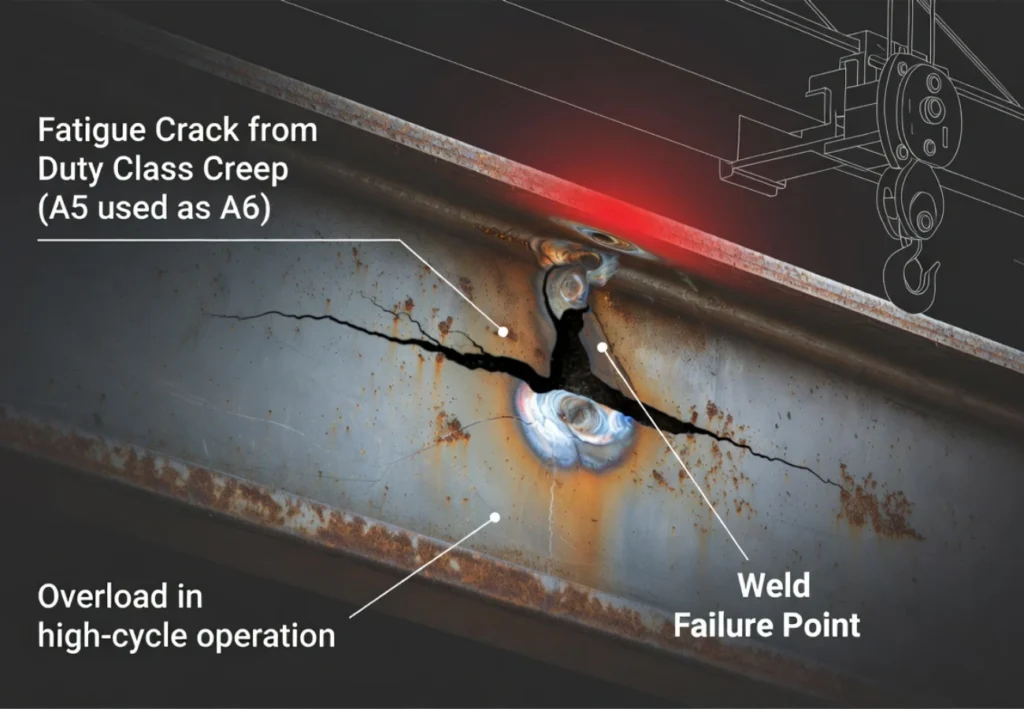
A crane specified at A5 but actually operated like A6 — for example, moved from occasional heavy lifting into a 24/7 precast production line — commonly shows fatigue cracking at structural weld points within 18–24 months of that shift in usage. This happens gradually: production ramps up, a second shift gets added, or the crane gets reassigned to a busier line than originally planned, and nobody revisits the original duty class assumption until cracks appear at the most fatigue-sensitive joints. If your usage pattern changes significantly after installation, it's worth having an engineer re-evaluate whether the original duty class still applies — waiting for a visible problem means the fatigue damage has already started.
Confusing Duty Class With Load Capacity
Assuming a "10-ton crane" is fully specified by its tonnage alone, without confirming duty class, is one of the most common ways buyers end up comparing two structurally different products under the same label. As covered above, static capacity and duty class are independent variables — always confirm both when comparing quotes, not just the tonnage.
Assuming Duty Class Doesn't Matter for "Standard" Applications
Treating duty class as a formality to fill in on a form, rather than a calculation based on your actual production schedule, is a common source of both underspecified cranes (premature failure) and overspecified ones (wasted budget). A warehouse doing occasional pallet moves and a production line cycling constantly can both describe themselves as "standard" use, but they need very different duty classes — the calculation, not the label, is what matters.
Conclusion
Crane duty class — not tonnage alone — is what actually determines a crane's structural design, fatigue life, and a meaningful share of its price. Before requesting quotes: estimate your realistic lifting frequency and load spectrum, confirm which standard (ISO/FEM/GB/T A-series or CMAA) your supplier is quoting against, and revisit your duty class if your usage pattern changes materially after installation. If you're comparing this against a specific crane type, our tonnage and pricing guides link back to this page for exactly this reason — duty class is usually the missing variable that makes two quotes hard to compare.
Final equipment selection must be confirmed by a certified engineer and comply with local lifting-equipment regulations.
Need Help Confirming Your Duty Class?
Send us your lifting frequency, load pattern, and application, and our engineering team will confirm the right duty class before you request a formal quote.

Equipment Specialist
Accomplished Crane Business Manager with extensive experience in heavy lift project management and operational oversight. Proven track record of driving revenue growth and ensuring safety compliance.
FAQ
Q1: What does crane duty class A1–A8 actually mean?
Duty class rates how hard a crane will be worked over its service life, combining lifting frequency and load spectrum — not maximum load capacity. A1–A4 is light duty, A5–A6 medium, A7 heavy, and A8 extra-heavy, with each step meaning more lifting cycles and/or heavier average loads before structural fatigue becomes a concern.
Q2: Is a higher duty class always better?
No — a higher duty class than you need adds cost (thicker steel, higher-grade components) without benefit. The goal is matching duty class to your actual usage pattern, with at most one class of buffer for realistic near-term growth, not maximizing the rating.
Q3: How does CMAA Class compare to ISO/FEM A-series duty class?
CMAA Class A–F (North America) maps roughly to ISO/FEM/GB/T A1–A8, with Class A–B similar to A1–A4 (light duty), Class C to A5 (moderate), Class D–E to A6–A7 (heavy), and Class F to A8 (severe/continuous). The underlying calculation methods differ, so exact conversion should be confirmed by the supplier for a specific order.
Q4: Can I upgrade a crane's duty class after installation?
Usually not economically — upgrading typically means replacing the hoist, motors, gearbox, and end trucks rather than reinforcing the existing structure, so in most cases a new crane is more cost-effective than an upgrade. This is why it's worth rounding up one class during initial specification if growth is expected.
Q5: What happens if I choose too low a duty class for my application?
Operating a crane beyond its rated duty class commonly causes fatigue cracking at structural weld points, often becoming visible within 18–24 months of the usage pattern exceeding the original design assumption. Catching a usage change early and having an engineer re-evaluate is far cheaper than dealing with structural failure later.

 English
  العربية
  Español
  Français
  Português
  Русский