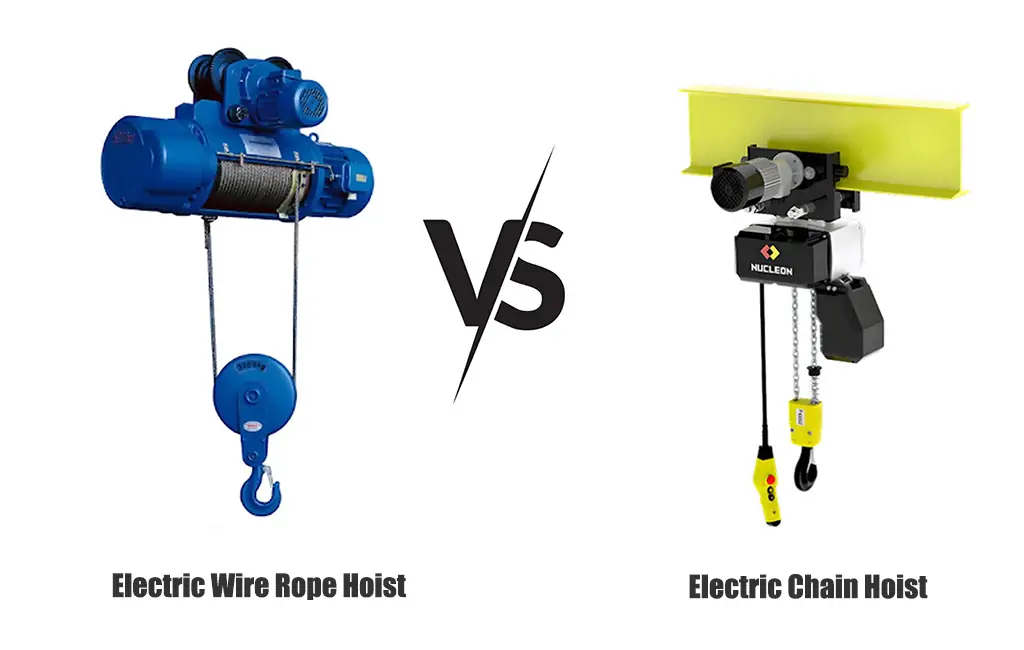
Electric hoists are small lifting devices widely used in industrial fields such as factory workshops, warehousing and logistics, construction, equipment manufacturing, and docks. Electric hoists are mainly divided into two categories: chain electric hoists and wire rope electric hoists, each with its own advantages and characteristics. This article will provide a clear decision-making guide for users by comparing the structure, performance, application scenarios, maintenance, and cost of these two types of electric hoists in detail.
Basic Structure and Working Principle
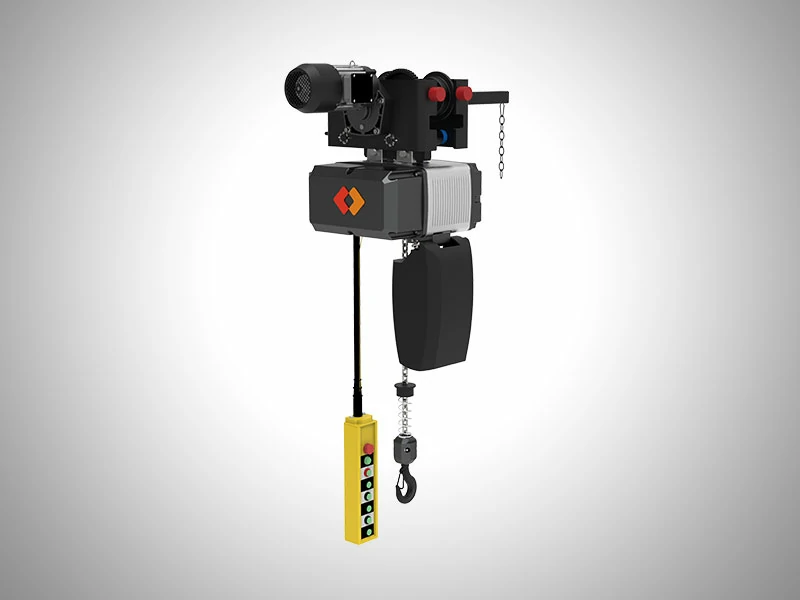
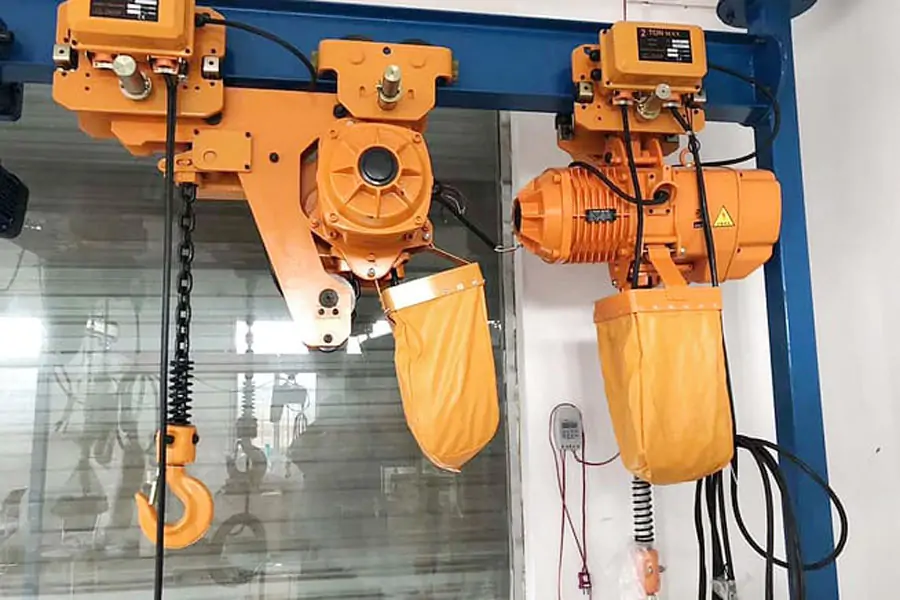
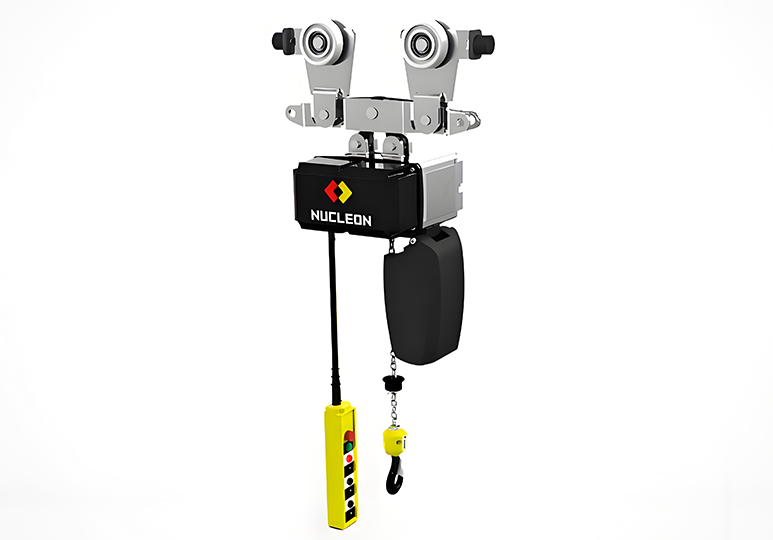
Electric Chain Hoist
- Lifting Medium: High-alloy steel chain.
- Core Structure: Mainly composed of core components such as the motor, reducer, brake, lifting chain, and hook.
- Features: Lightweight design, compact structure, easy installation and operation.
- Working Principle: The motor generates rotational torque through electromagnetic induction to provide power, then drives the gearbox to convert the motor's high speed into a lower, usable speed. The sprocket then rotates, thus lifting and lowering the load.
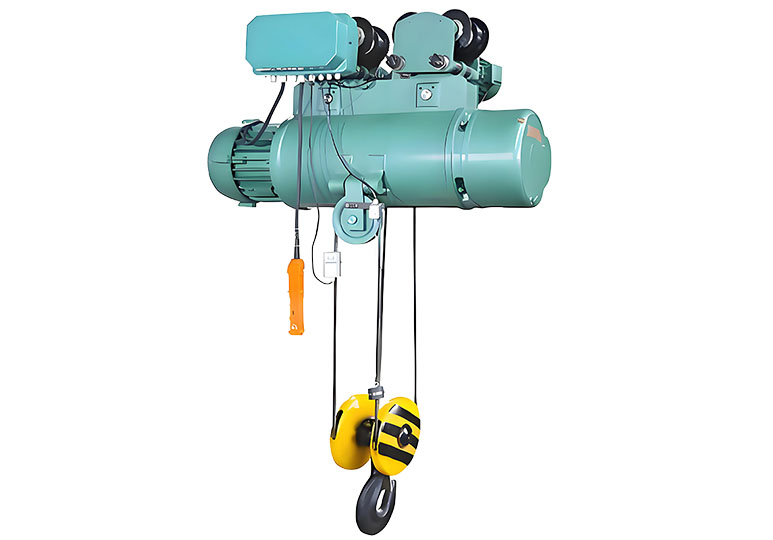
Electric Wire Rope Hoist
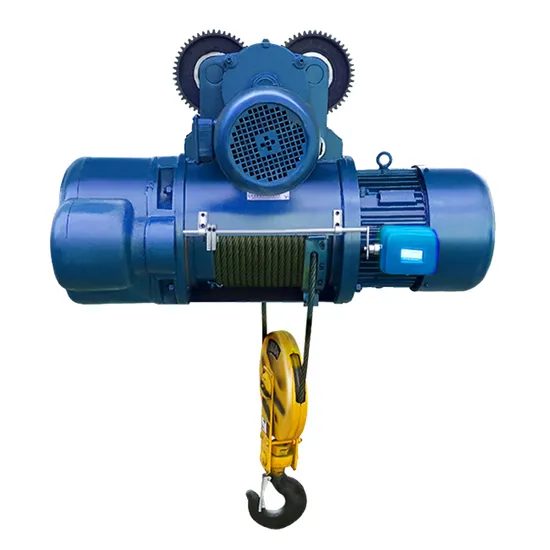
- Lifting Medium: High-strength alloy steel wire rope.
- Core Structure: Mainly includes the lifting mechanism, running mechanism, and electrical control system.
- Features: Fast lifting speed, good stability, and smooth operation.
- Working Principle: The motor drives the gearbox, and then through the transmission between the gears, the high-speed rotation of the motor is converted into a low-speed, high-torque output, causing the wire rope to rotate around the drum, thus achieving lifting and lowering of the load.
Comparison of Key Performance Parameters
| Parameter | Chain Hoist | Wire Rope Hoist |
| Lifting Capacity | 0.25–5 tons (single chain below 5t) | 0.25–32 tons |
| Lifting Height | 3–12 m (limited by chain length) | 6–45 m (higher with lighter rope) |
| Lifting Speed | Slower, precise positioning | Faster, suitable for high & rapid lifts |
| Environment Suitability | Dry, clean workshops; sensitive to debris | Tolerates dust & mild corrosion |
| Key Features | Compact, lightweight; suitable for long travel & precision tasks | High speed, long lift, wide load range |
Applicable Scenarios
Electric Chain Hoist Application Scenarios:
Light-duty, medium-frequency assembly lines.
Workshops and workstations with limited space.
Clean rooms, food processing, and other environments requiring contamination prevention (stainless steel chains or chain bags are available options).
Conventional lifting applications with limited budgets and a need for high efficiency.
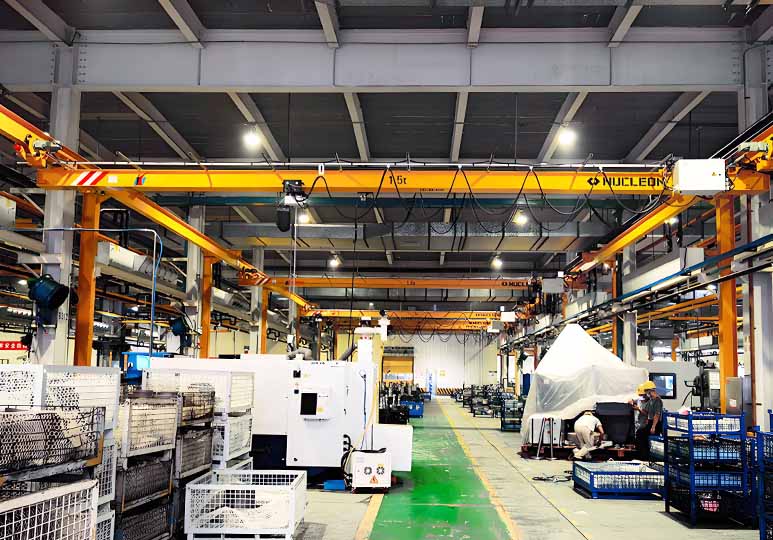
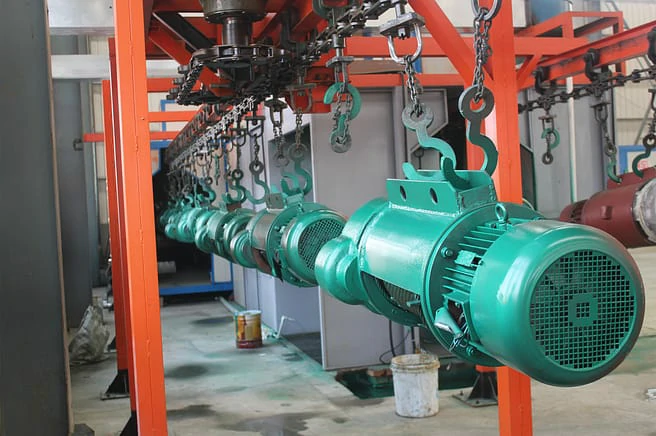
Electric Wire Rope Hoist Application Scenarios:
Heavy-duty, high-frequency, or continuous lifting operations.
Large-scale lifting applications (such as high-rise warehouses, large equipment installation).
Environments with dust, humidity, or certain corrosive conditions (such as foundries, warehouses, and ports).
Maintenance
The chain of the electric chain hoist is easy to replace and maintain. It is necessary to pay attention to the lubrication of the chain on a daily basis to prevent the chain from getting stuck when the sprocket is rotating.
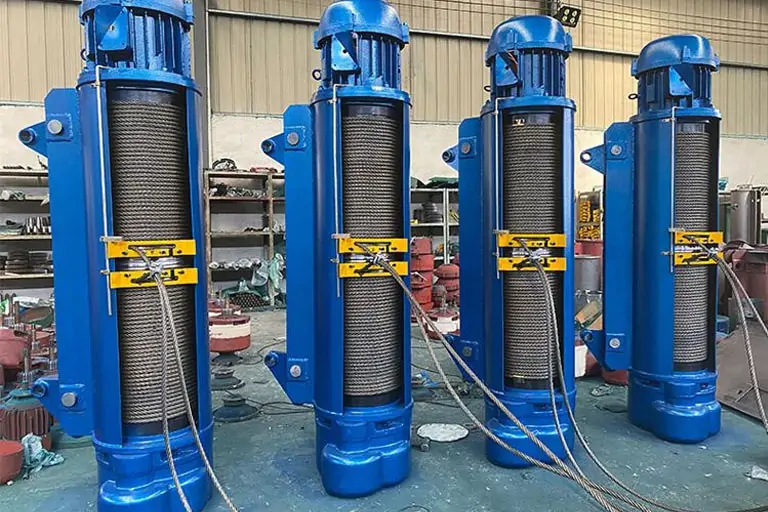
Electric wire rope hoists are more durable, but they require frequent maintenance and care of the wire rope to prevent it from breaking. The maintenance cost is relatively troublesome.
Conclusion
Electric chain hoists and electric wire rope hoists each have their own advantages, and the choice depends on your specific needs and scenario. If you require higher precision, lower noise, and lower cost, we recommend an electric chain hoist. If you require higher loads and have more available space, we recommend an electric wire rope hoist. If you still have questions about the two types of electric hoists or have special requirements, please contact Nucleon and we will be happy to assist you.


 English
  العربية
  Español
  Français
  Português
  Русский