

Au Brésil, la demande de ponts roulants repose sur quatre piliers industriels : les mines et la sidérurgie dans le Minas Gerais, l'automobile et l'aérospatiale à São Paulo, l'exploitation pétrolière et gazière offshore à Rio de Janeiro, et le développement des infrastructures portuaires et agroalimentaires à l'échelle nationale. Selon Research and Markets, le marché mondial des ponts roulants devrait passer d'environ 1 400 milliards de dollars en 2025 à 1 400 milliards de dollars en 2026, soit un taux de croissance annuel composé (TCAC) de 6 510 milliards de dollars. Le Brésil est considéré comme l'un des principaux marchés latino-américains du secteur, aux côtés du Mexique et de l'Argentine. Les rapports sectoriels indiquent que l'activité brésilienne en matière de ponts roulants et de palans est principalement axée sur les mines, le pétrole et le gaz, les ports, la construction et l'agroalimentaire.
Si vous recherchez des ponts roulants pour une installation brésilienne, le détail qui influencera davantage votre calendrier que n'importe quelle comparaison de prix est le suivant : la réglementation brésilienne NR-12 relative à la sécurité des machines exige qu'un ingénieur CREA agréé au Brésil effectue l'analyse des risques et valide l'équipement installé avant qu'il puisse être utilisé légalement — une étape qui n'existe pas sous la même forme sur la plupart des autres marchés et que les présentations de marché génériques omettent systématiquement.
Ce guide explique où se concentre réellement la demande de ponts roulants au Brésil par région et par secteur, la répartition des capacités et des types recherchés par les acheteurs, les exigences respectives des normes ABNT NBR 8400 et NR-12 et leur interaction, ainsi que la manière d'évaluer les fournisseurs chinois, européens et brésiliens locaux en fonction des contraintes réelles de votre projet.
Table des matières
Guide de référence rapide : Gamme de prix des ponts roulants par capacité (marché brésilien)
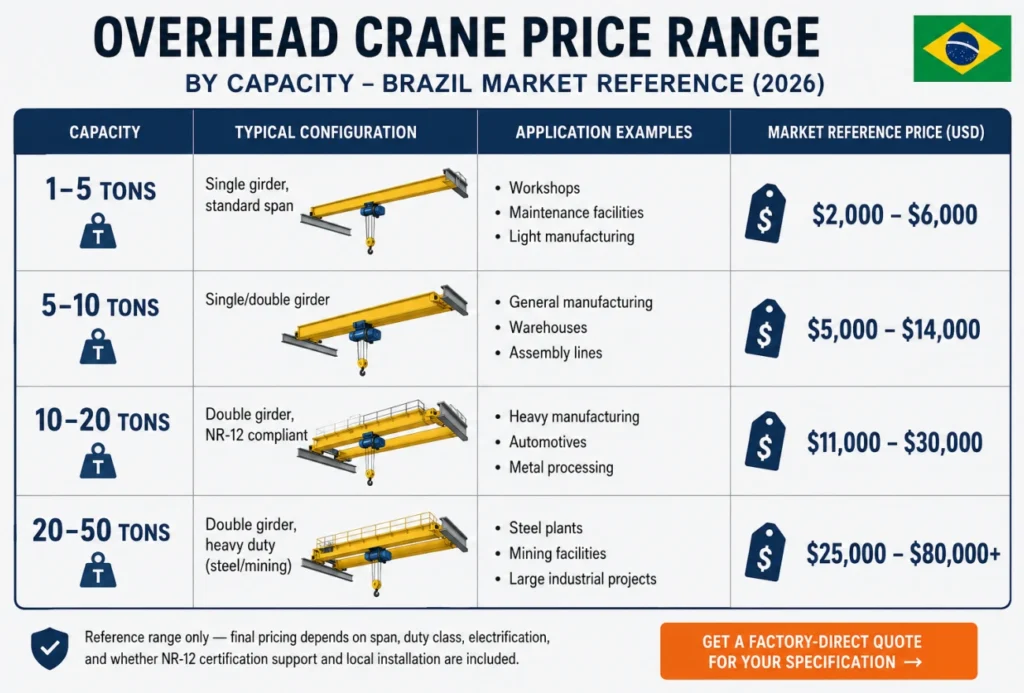
| Capacité | Configuration typique | Prix de référence du marché ($) |
| 1 à 5 tonnes | Poutre unique, portée standard | $2 000 – $6 000 |
| 5 à 10 tonnes | Poutre simple/double | $5 000 – $14 000 |
| 10 à 20 tonnes | poutre double, conforme à la norme NR-12 | $11 000 – $30 000 |
| 20 à 50 tonnes | Poutre double, usage intensif (acier/mines) | $25 000 – $80 000+ |
Plage de référence uniquement — le prix final dépend de la portée, de la classe de service, de l'électrification et de l'inclusion ou non du support de certification NR-12 et de l'installation locale. [Obtenez un devis direct usine pour votre spécification →]
Obtenir un devis de solutionMarché brésilien des ponts roulants : concentration de la demande par région et secteur d’activité
Le Brésil pont roulant La demande est concentrée régionalement autour de quatre pôles industriels distincts, et chaque pôle souhaite un profil de grue différent — considérer le " Brésil " comme un marché uniforme conduit à des devis mal spécifiés.
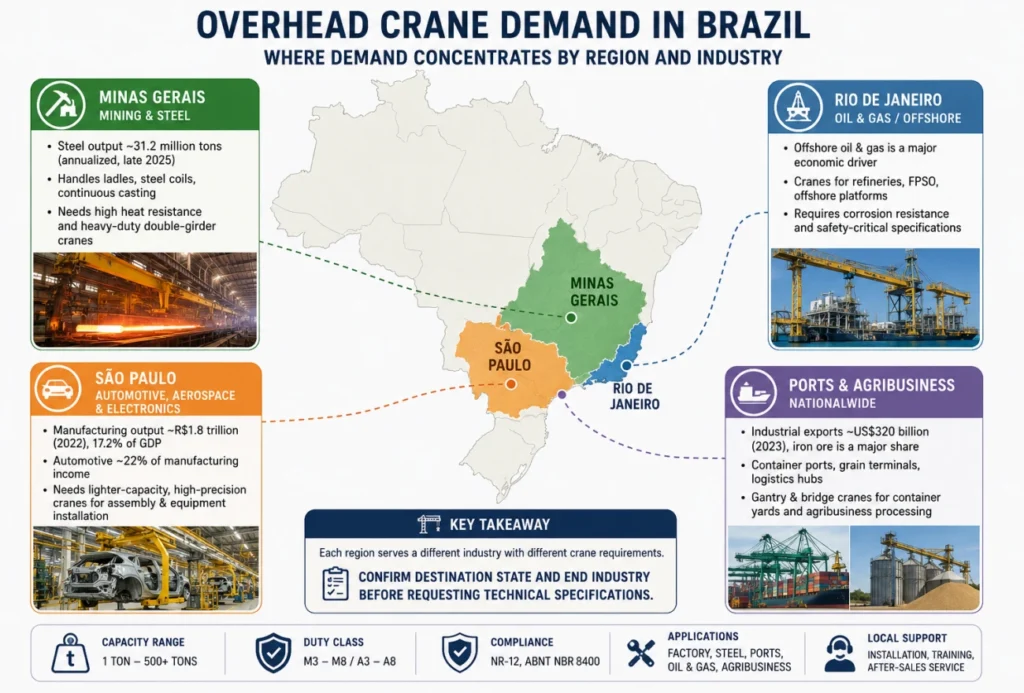
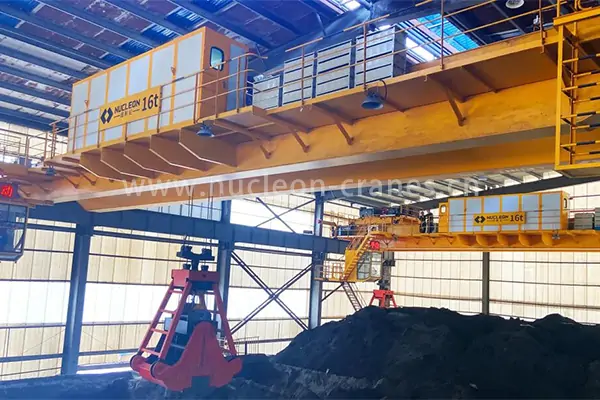
- Minas Gerais Le Brésil est le cœur de son industrie minière et sidérurgique. Fin 2025, la production d'acier du pays atteignait environ 2,6 millions de tonnes par mois (soit environ 31,2 millions de tonnes par an). Les ponts roulants y manipulent les poches de coulée, les bobines d'acier et assurent les opérations de coulée continue, des applications qui exigent une résistance élevée à la chaleur et des configurations à double poutre robustes, contrairement aux unités standard.
- São Paulo Le secteur manufacturier brésilien repose sur les industries automobile, aérospatiale et électronique. En 2022, il a généré environ 1 400 milliards de rands (environ 1 400 milliards de rands), soit 17 210 milliards de rands de PIB, dont 221 000 milliards de rands pour le secteur automobile. Ce segment privilégie les grues de plus petite capacité et de plus haute précision pour les chaînes de montage et l'installation d'équipements, répondant davantage aux besoins du secteur électronique qu'à ceux de la sidérurgie.
- Rio de Janeiro La demande est liée au secteur pétrolier et gazier offshore ; les grues doivent répondre à des spécifications plus pointues en matière de résistance à la corrosion et de sécurité pour les applications de raffinage et de support des plateformes offshore.
- Ports et transformation agroalimentaire À l'échelle nationale, un flux de demande distinct s'ajoute : les exportations industrielles du Brésil ont totalisé environ 1 403 200 milliards de dollars en 2023, le minerai de fer représentant une part importante, et les portiques et ponts roulants dans les parcs à conteneurs et les terminaux céréaliers/agroalimentaires constituent une catégorie d'approvisionnement distincte des ponts roulants d'usine.
Les implications pratiquesUn devis établi pour le Brésil sans préciser le secteur industriel concerné risque fort de sous-dimensionner la classe de service et la protection anticorrosion nécessaires à votre site. Confirmez le pays de destination et le secteur d'activité avant de demander les spécifications techniques, et non après.
Quelles sont les capacités et les types de ponts roulants réellement demandés ?
Au Brésil, la demande se répartit selon les mêmes lignes régionales que ci-dessus, les métaux et l'exploitation minière tirant vers le bas le segment du marché nécessitant la plus grande capacité, tandis que l'automobile et la fabrication générale tirent vers le bas.
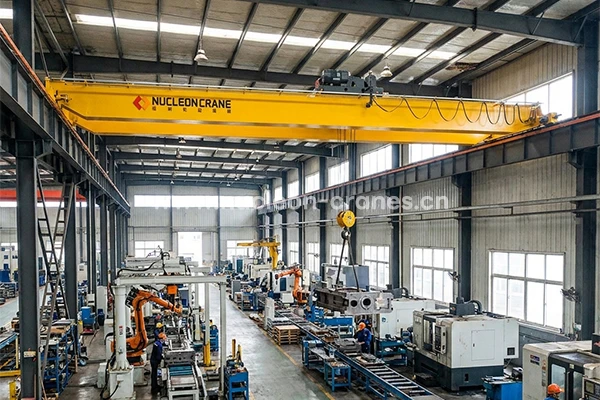
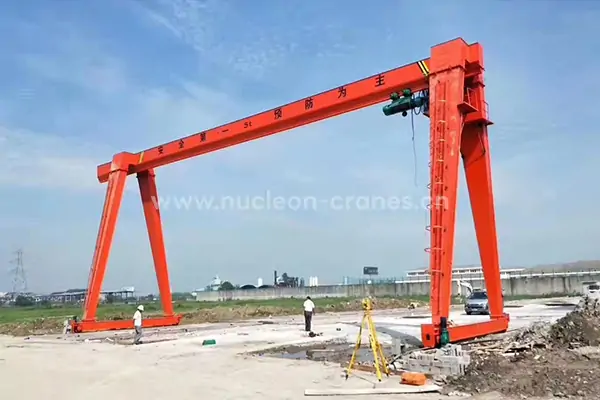
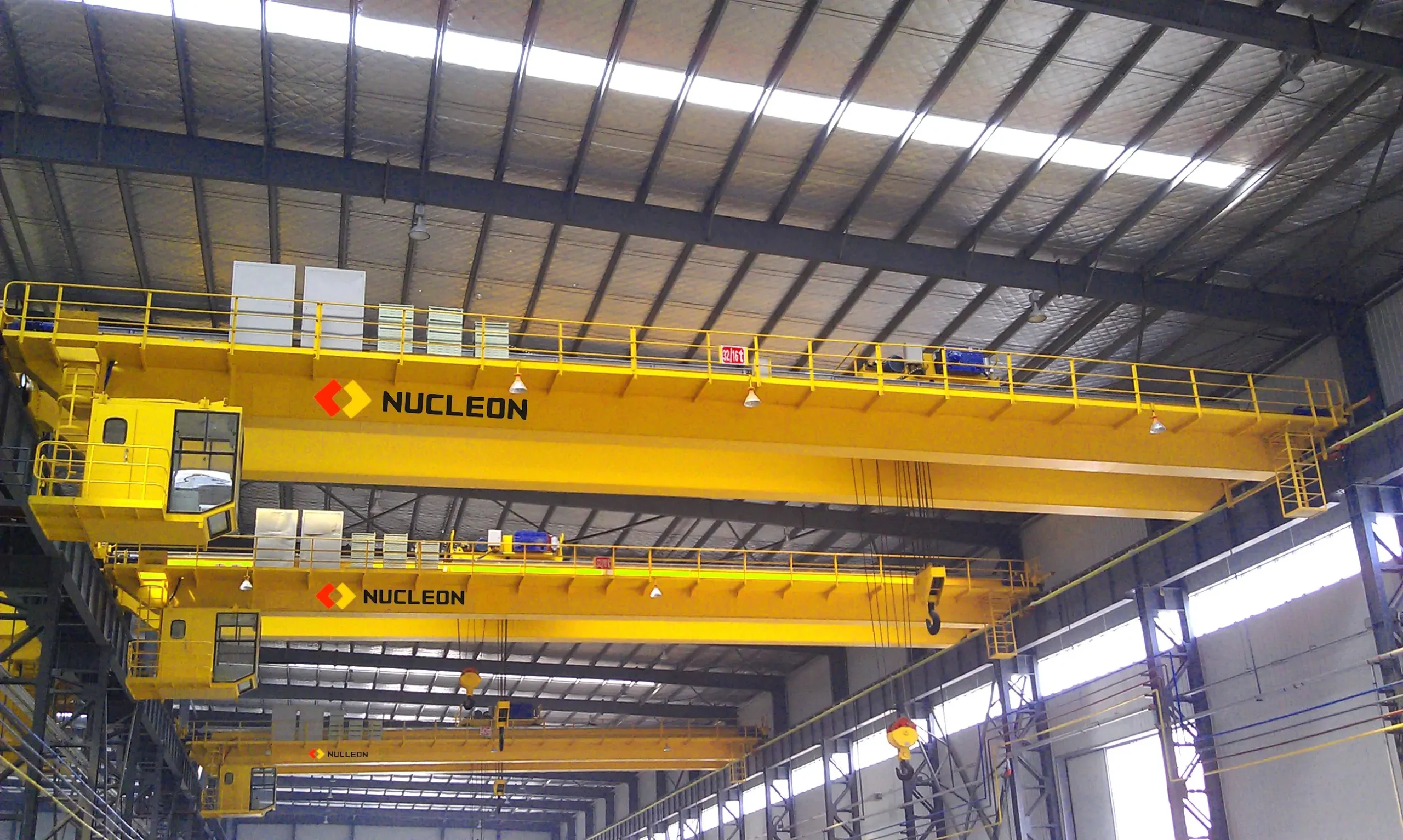
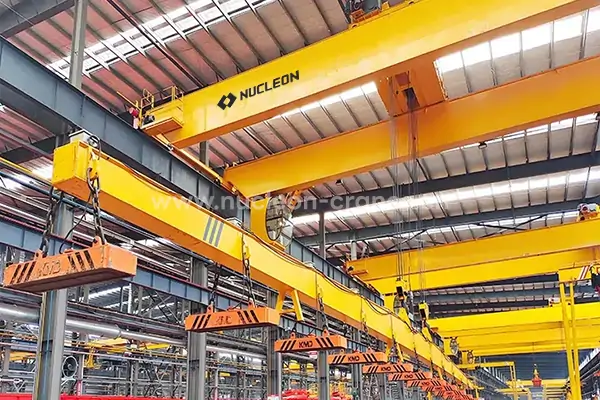
- Ponts roulants bipoutres de 20 à plus de 50 tonnes dominent les applications sidérurgiques et minières adjacentes au Minas Gerais, où la coulée continue, la manutention des poches et le transport des bobines nécessitent des classifications structurelles robustes et souvent des configurations résistantes à la chaleur ou aux explosions.
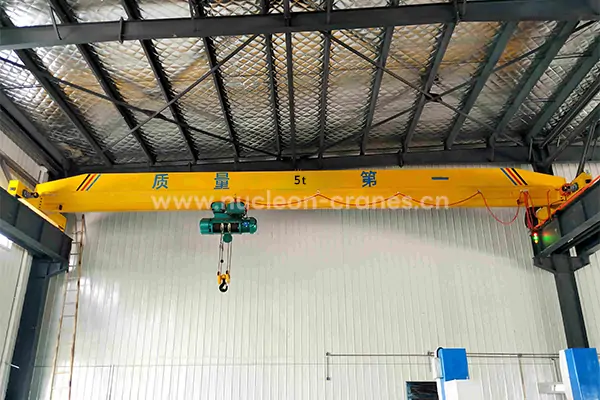
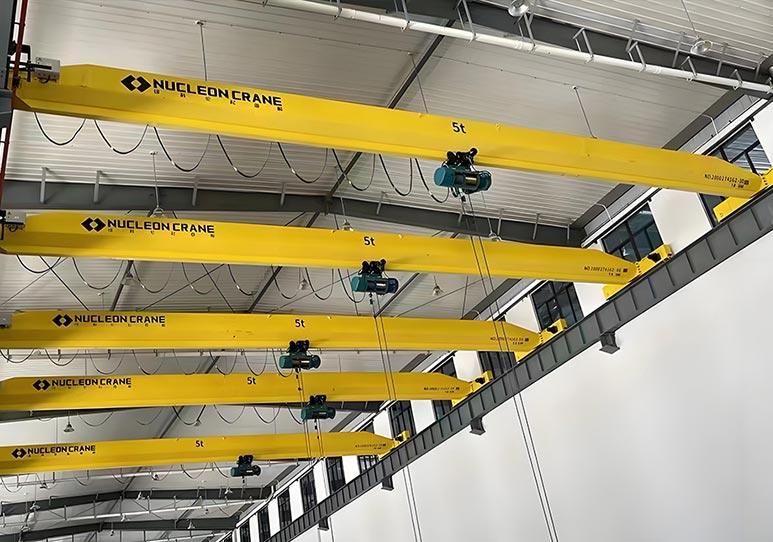
- Grues monopoutre de 1 à 10 tonnes Nous servons l'assemblage de composants automobiles, la fabrication générale et les travaux d'installation d'équipements concentrés autour de São Paulo et Campinas — ceux-ci privilégient un positionnement précis et des cycles de travail adaptés aux lignes de production continues.
- Poutres roulantes On observe une demande concentrée dans les opérations portuaires et agroalimentaires à l'échelle nationale, reflétant le rôle du Brésil en tant que plaque tournante majeure des exportations de minéraux et de produits agricoles.
- Monorail et grues de poste de travail Elles apparaissent dans les usines automobiles et agroalimentaires pour le transport de matériaux en bordure de ligne, un segment dont les rapports industriels mondiaux notent la croissance parallèle des investissements plus importants dans l'automatisation.
Le prix est inférieur à celui du segment des marques européennes entièrement importées (Demag, Konecranes), mais supérieur au prix le plus bas des produits chinois une fois pris en compte le support de certification NR-12, les droits d'importation et l'installation locale. Le tableau de référence rapide ci-dessus reflète les prix directs d'usine pour les configurations standard ; les acheteurs comparant les devis doivent vérifier si le support d'analyse des risques NR-12, la coordination du certificat ART et la validation sur site sont inclus en tant que lignes de commande ou facturés séparément, car il s'agit de coûts spécifiques au Brésil qui n'apparaissent pas dans la plupart des devis de grues des autres pays.
Conformité : ABNT NBR 8400, NR-12 et points que les importateurs doivent vérifier avant de passer commande
La norme ABNT NBR 8400 régit le calcul de conception structurelle et mécanique de la grue elle-même, tandis que la norme NR-12 est la réglementation obligatoire en matière de sécurité des machines qui détermine si l'équipement installé peut fonctionner légalement — et la conformité à la norme NR-12 au Brésil exige la signature d'un ingénieur agréé au Brésil, et non pas seulement une conception conforme du fabricant.
Les deux opèrent à des niveaux différents :
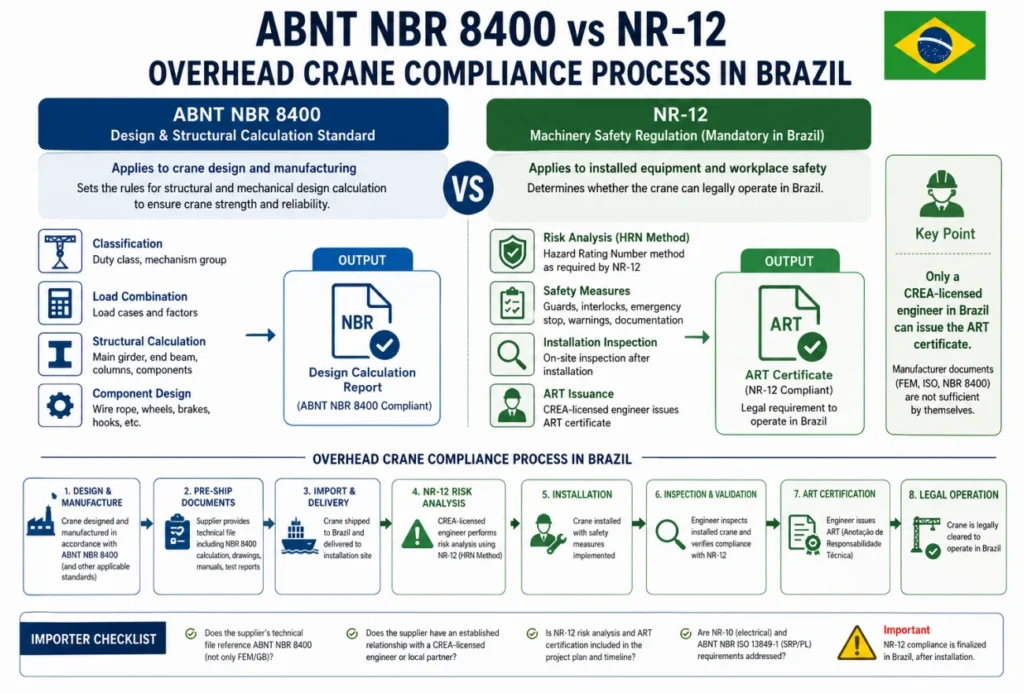
- ABNT NBR 8400 Le document " Grues et appareils de levage — Calculs de base pour les structures et les composants " définit la classification, la combinaison des charges et les règles de calcul structurel utilisées pour dimensionner la poutre principale, le groupe de mécanismes et les capacités nominales des composants d'une grue. Il s'agit de l'ouvrage de référence en matière de calculs d'ingénierie — comparable, par sa fonction, à FEM 1.001 ou ISO 4301 — et les bureaux d'études brésiliens s'y réfèrent couramment et directement pour le dimensionnement des ponts roulants monopoutre et bipoutre.
- NR-12 La norme NR-12 (" Segurança no Trabalho em Máquinas e Equipamentos ") est la réglementation brésilienne obligatoire en matière de sécurité des machines, supervisée par le système de certification INMETRO. Contrairement aux normes que les acheteurs peuvent simplement concevoir, fabriquer et expédier, la conformité à la norme NR-12 au Brésil est garantie par un ingénieur agréé CREA basé au Brésil. Cet ingénieur réalise une analyse de risques formelle (selon la méthode brésilienne d'évaluation des risques, différente des méthodes d'évaluation utilisées ailleurs) et doit inspecter et valider la grue après son installation, puis délivrer un certificat ART (Anotação de Responsabilidade Técnica) avant que l'équipement ne soit autorisé à fonctionner.
Cette différence structurelle est le facteur de conformité le plus important pour les acheteurs qui découvrent le marché brésilien.La documentation d'exportation fournie par un fabricant, faisant référence aux calculs FEM, ISO ou même NBR 8400, ne suffit pas à elle seule pour satisfaire à la norme NR-12. L'analyse des risques et la validation post-installation doivent être réalisées au Brésil par un ingénieur brésilien agréé, quelle que soit l'exhaustivité du dossier technique du fabricant. Les acheteurs qui supposent qu'une conformité NR-12 sur le papier équivaut à une autorisation de mise en service constatent souvent l'écart une fois le matériel arrivé sur site, étape susceptible d'allonger considérablement le délai du projet.
Les réglementations connexes qu'il convient de vérifier en fonction de la configuration électrique et structurelle de votre grue comprennent : NR-10 (sécurité des installations électriques) et ABNT NBR ISO 13849-1 (Niveau de performance du système de contrôle relatif à la sécurité, désormais référencé directement dans les évaluations des risques NR-12 depuis la mise à jour de 2019). Avant de passer commande, posez deux questions directes à tout fournisseur potentiel : son dossier technique fait-il référence à la norme ABNT NBR 8400 (et pas seulement à la norme FEM/GB) ? Dispose-t-il d’une relation établie avec un ingénieur agréé CREA ou un partenaire local capable de réaliser l’analyse des risques NR-12 et la certification ART ? La seconde question est plus importante pour le respect des délais que la première.
Choisir un fournisseur : fabricants chinois, brésiliens locaux ou européens
Pour le segment des ponts roulants et portiques de 1 à 30 tonnes couvrant la plupart des demandes industrielles générales et de fabrication, les fabricants chinois rivalisent principalement sur le coût et le délai de livraison, les marques européennes (Demag, Konecranes) rivalisent sur des réseaux de service locaux établis pour les applications industrielles lourdes et minières, et les fabricants brésiliens locaux rivalisent sur la connaissance du processus NR-12.
Chaque option présente des avantages et des inconvénients différents qu'il convient d'évaluer en fonction de votre projet spécifique plutôt que de supposer qu'une option est universellement meilleure :
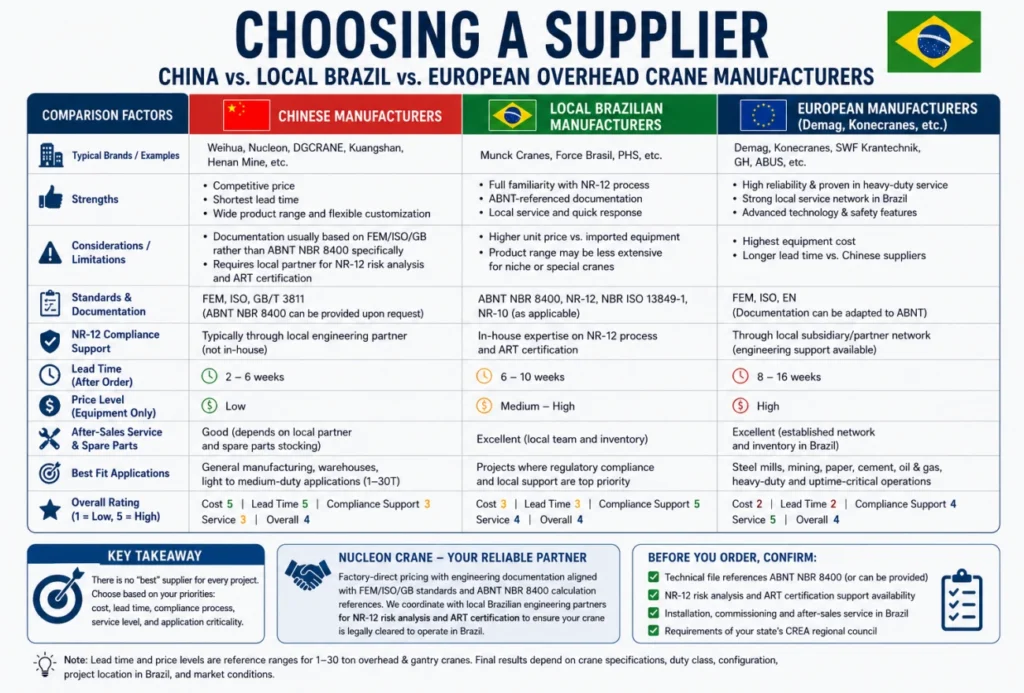
- fabricants chinois Ils offrent les délais de livraison les plus courts et le coût d'équipement le plus bas pour les configurations standard à poutre simple/double, mais la documentation est plus souvent basée sur les méthodes FEM, ISO ou GB/T 3811 plutôt que sur la norme ABNT NBR 8400 en particulier — il s'agit d'un écart de compatibilité technique (les principes de calcul sous-jacents se chevauchent considérablement) plutôt que d'un obstacle structurel, mais cela signifie que le fabricant a généralement besoin d'un partenaire local pour gérer l'analyse des risques NR-12 et la certification ART au lieu de proposer cela en interne.
- fabricants européens (Demag, Konecranes) occupent une position solide dans les applications de production d'acier lourd, d'exploitation minière et de coulée continue au Minas Gerais, où des réseaux de service locaux établis et des décennies de présence dans la base industrielle brésilienne sont essentiels pour les opérations critiques en termes de temps de fonctionnement — généralement à un coût unitaire sensiblement plus élevé que les équivalents d'origine chinoise.
- Fabricants brésiliens locaux (comme Munck Cranes) se spécialisent spécifiquement dans la connaissance de la réglementation nationale — traitement du processus NR-12, documentation référencée ABNT et service local — ce qui réduit les frictions liées à la certification, mais généralement à un prix unitaire plus élevé que les équipements importés aux spécifications comparables.
Pour les acheteurs qui privilégient les prix directs d'usine avec une documentation technique adaptable aux références de calcul ABNT NBR 8400, Grue nucleon prend en charge la préparation des dossiers techniques conformément aux normes FEM/ISO/GB et peut coordonner avec les partenaires d'ingénierie brésiliens locaux pour l'analyse des risques NR-12 et la certification ART — il est important de vérifier directement auprès du conseil régional CREA de votre État, car les détails de la procédure peuvent varier d'une région à l'autre.
Conclusion
La demande de ponts roulants au Brésil est bien réelle et varie selon les secteurs : Minas Gerais recherche des ponts roulants robustes pour l’acier et les mines, São Paulo des ponts roulants de précision pour l’industrie automobile, Rio de Janeiro des équipements offshore, et les ports et l’agro-industrie des systèmes de portiques. Cependant, le facteur le plus déterminant pour le calendrier de votre projet n’est pas la capacité de levage adéquate, mais plutôt la vérification, avant toute commande, que votre fournisseur dispose d’un ingénieur agréé CREA ou peut en faire appel à un pour réaliser l’analyse des risques NR-12 et la certification ART, obligatoires en vertu de la législation brésilienne pour la mise en service légale du pont roulant. Posez cette question en premier lieu, demandez un devis détaillé distinguant l’équipement, le transport et l’assistance à la certification, et vérifiez les exigences CREA spécifiques à l’État de destination. Pour les ponts roulants au Brésil, cette démarche est bien plus efficace qu’une simple comparaison de prix.
Vous êtes prêt à vous approvisionner en ponts roulants au Brésil ? [Obtenir un devis direct usine →] | [Contacter notre équipe d'ingénieurs via WhatsApp →] | [Demander des informations sur la certification NR-12 →]

Spécialiste en équipement
Chef d'entreprise expérimenté dans le domaine des grues, avec une vaste expérience en gestion de projets de levage lourd et en supervision opérationnelle. Antécédents avérés en matière de croissance du chiffre d'affaires et de respect des normes de sécurité.
FAQ
Q1 : La certification NR-12 est-elle obligatoire pour les ponts roulants importés au Brésil ?
Oui. La norme NR-12 est la réglementation brésilienne obligatoire en matière de sécurité des machines. Sa conformité exige qu'un ingénieur CREA agréé au Brésil réalise une analyse des risques et valide la grue installée, en délivrant un certificat ART avant sa mise en service légale. Il s'agit d'une démarche distincte, effectuée au Brésil, qui va au-delà de toute conformité initiale fournie par le fabricant.
Q2 : Quel est le prix d'un pont roulant de 10 tonnes destiné à une usine brésilienne ?
Le prix direct usine d'un pont roulant monopoutre ou bipoutre de 10 tonnes se situe généralement entre $5 000 et $14 000 (prix indicatif), selon la portée, la classe de service et l'électrification. Ce prix couvre uniquement l'équipement ; la certification NR-12, le transport et l'installation locale font généralement l'objet d'un devis séparé et doivent être facturés séparément.
Q3 : Quelle est la différence entre ABNT NBR 8400 et NR-12 ?
La norme ABNT NBR 8400 est la norme d'ingénierie pour le calcul de la conception structurelle et mécanique d'une grue — comparable dans sa fonction à FEM 1.001 ou ISO 4301. NR-12 est la réglementation de sécurité distincte et obligatoire qui détermine si l'équipement installé est légalement autorisé à fonctionner, exigeant une analyse des risques et une validation dans le pays par un ingénieur agréé CREA, quelle que soit la norme de conception utilisée.
Q4 : Dois-je choisir un fournisseur de grues chinois, européen ou brésilien local ?
Les fabricants chinois proposent généralement les coûts d'acquisition les plus bas et les délais de livraison les plus courts pour les configurations standard, mais nécessitent généralement un partenaire local pour la certification NR-12. Les fabricants européens (Demag, Konecranes) sont leaders dans les applications minières et sidérurgiques lourdes grâce à leurs réseaux de service locaux bien établis, mais à un coût plus élevé. Les fabricants brésiliens locaux simplifient les démarches de certification, mais leurs équipements sont généralement plus chers que les équipements importés comparables. Le choix optimal dépend donc des priorités de votre projet : coût, historique de maintenance critique ou simplicité de certification.
Articles connexes
- Qu’est-ce que l’inspection d’un pont roulant ? Types, fréquence et points clés de la liste de contrôle
- Pont roulant à poutre unique vs. pont roulant à double poutre : lequel vous convient le mieux ?
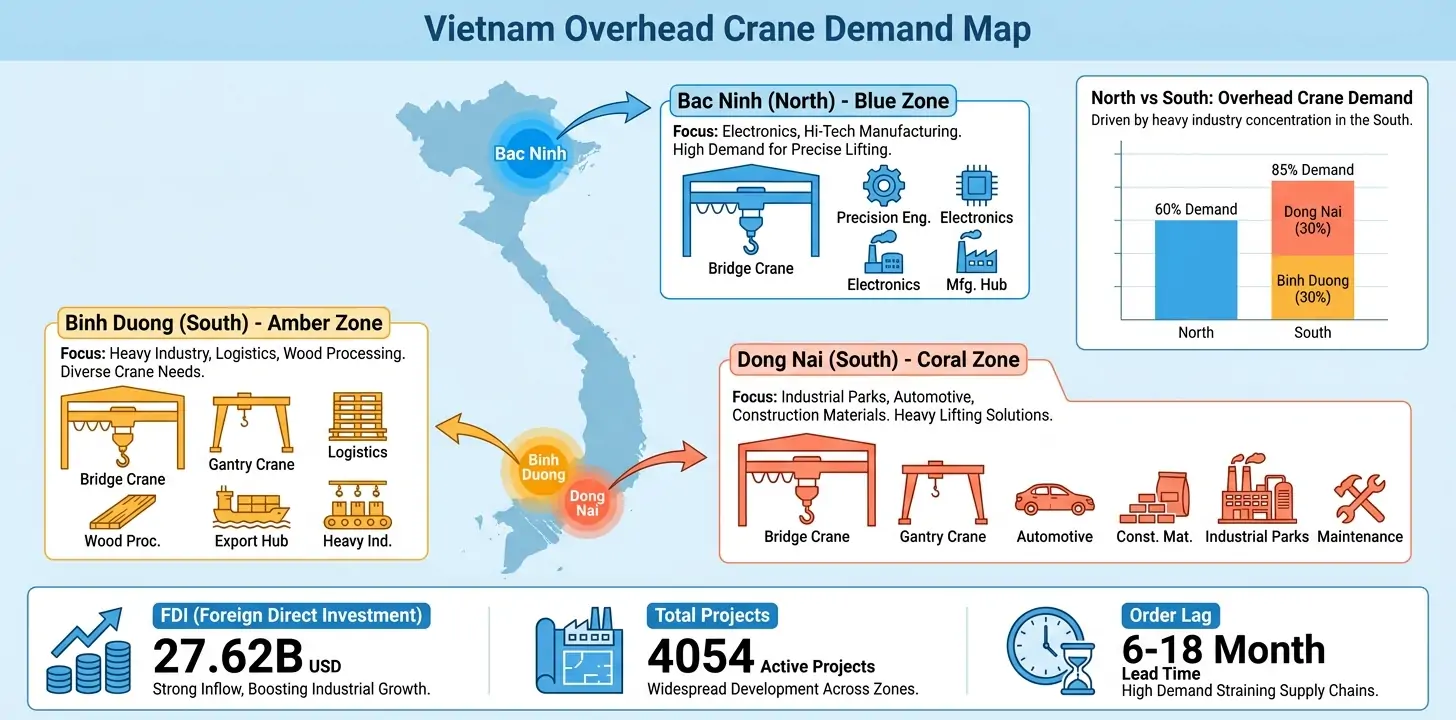
- Ponts roulants au Vietnam : croissance du marché, conformité et guide des fournisseurs (2026)
- Ponts roulants au Nigéria et au Kenya : types, prix et comment choisir le modèle adapté.

 English
  العربية
  Español
  Français
  Português
  Русский